“I never thought a casual chat with my neighbor about her garden would lead me to this,” I confessed to my friend last Saturday. It was a sunny afternoon when Mrs. Parker, who’s usually quiet and keeps to herself, mentioned the elderflowers blooming by her fence. She casually said, “You know, elderflower adds such a fresh twist to desserts.” I figured, why not try something new? What started as a curious experiment with lemon and elderflower syrup quickly turned into my go-to special occasion cake.
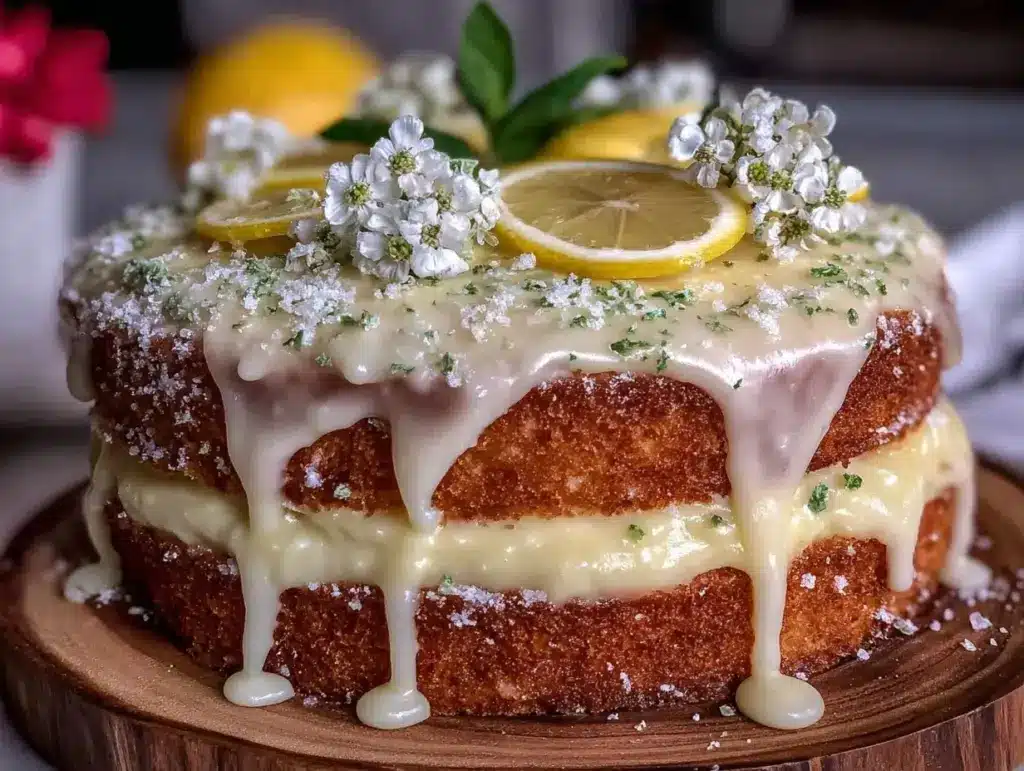
Let me tell you, this Perfect Lemon Elderflower Drip Cake is unlike anything I’d baked before. The way the zesty lemon plays with the subtle floral notes of elderflower creates this bright, uplifting flavor that made me pause mid-bite. Honestly, I was halfway through frosting the cake when my cat decided to leap onto the counter, knocking over a bowl of lemon zest—messy, but somehow fitting for the day!
Maybe you’ve been there—trying a recipe on a whim, not expecting much, and then boom, it becomes your signature. This cake isn’t just another lemon dessert; it’s a celebration of flavors that feels both light and indulgent. Whether you’re baking for a birthday, a bridal shower, or just because you want to impress your guests without hours in the kitchen, this cake will stick with you. I keep making it, partly because it tastes amazing and partly because it reminds me of that unexpected garden chat, a small moment that turned into something deliciously memorable.
Why You’ll Love This Recipe
After countless trials in my kitchen (and a fair share of flour-covered surfaces), I can confidently say this lemon elderflower drip cake recipe stands out for so many reasons. It’s one of those rare desserts that manages to be both stunning and surprisingly simple. Here’s why you’ll want to add it to your baking repertoire:
- Quick & Easy: The whole cake comes together in about 90 minutes, including baking and decorating. Perfect for when you want to wow guests without upending your day.
- Simple Ingredients: No need for obscure items. Most ingredients are pantry staples, and elderflower cordial can be found at most grocery stores or online.
- Perfect for Special Occasions: Its elegant look and fresh flavors make it ideal for birthdays, anniversaries, or even a sunny brunch gathering.
- Crowd-Pleaser: I’ve served this cake at family dinners, and it always disappears fast—kids and adults alike love it.
- Unbelievably Delicious: The moist lemon sponge with a delicate elderflower drip isn’t just pretty; it’s a flavor combo that’ll have you closing your eyes savoring the layers.
What makes this recipe different? The secret lies in a few personal touches: using fresh lemon zest generously, layering with a light elderflower-infused buttercream, and that signature drip made from a blend of lemon juice and elderflower syrup. It’s a balance of tart and sweet that feels refreshing but comforting at the same time. Honestly, it’s like comfort food got a fancy summer makeover.
What Ingredients You Will Need
This recipe relies on straightforward, wholesome ingredients that play together to create a bold, yet delicate flavor profile. Most are easy to find, and if you can’t source elderflower cordial, I’ve got some handy swaps later on. Here’s what you’ll need:
- For the Lemon Sponge:
- All-purpose flour – 2 ½ cups (315g)
- Baking powder – 2 ½ teaspoons
- Salt – ½ teaspoon
- Unsalted butter, softened – 1 cup (227g) (I like using Plugrá for the best texture)
- Granulated sugar – 1 ¾ cups (350g)
- Large eggs, room temperature – 4
- Whole milk – ¾ cup (180ml) (can swap with almond milk for dairy-free)
- Fresh lemon zest – from 2 lemons (adds bright, fresh flavor)
- Fresh lemon juice – ¼ cup (60ml)
- Vanilla extract – 1 teaspoon
- For the Elderflower Buttercream:
- Unsalted butter, softened – 1 ½ cups (340g)
- Powdered sugar – 4 cups (480g), sifted
- Elderflower cordial – 3 tablespoons (adjust to taste, use Belvoir for floral notes)
- Heavy cream – 2 tablespoons (optional, for creamier texture)
- Vanilla extract – ½ teaspoon
- For the Lemon Elderflower Drip:
- Powdered sugar – 1 cup (120g)
- Fresh lemon juice – 2 tablespoons (30ml)
- Elderflower cordial – 2 tablespoons (30ml)
- Milk or water – 1-2 tablespoons (to adjust consistency)
- Decoration (optional):
- Thin lemon slices or twists
- Edible flowers (like violets or pansies)
- Fresh elderflower sprigs (if available)
If you want to swap ingredients, almond flour can replace up to ¼ cup of all-purpose flour for a slightly nuttier texture, and coconut yogurt works well if you want the buttercream dairy-free (just whip it a bit longer). Keep in mind, fresh lemon zest is key here — it really wakes up the cake’s flavor.
Equipment Needed
For this lemon elderflower drip cake, you won’t need anything too fancy, but these tools make the process smoother:
- Two 8-inch (20cm) round cake pans – non-stick or lined with parchment paper
- Electric mixer – stand or handheld (I swear by my KitchenAid for smooth buttercream)
- Mixing bowls – medium and large sizes
- Zester or microplane – for fresh lemon zest
- Measuring cups and spoons – accuracy makes a difference here
- Offset spatula – perfect for smooth frosting
- Spoon or small ladle – for drip application
- Cooling racks – to cool the cake layers evenly
If you don’t have round pans, you can use a 9×13-inch pan for a sheet version but adjust baking time accordingly. No offset spatula? A butter knife or the back of a spoon can do the trick in a pinch. Keeping your butter softened but not melted is crucial — I’ve learned that the hard way when my frosting turned oily.
Preparation Method

- Preheat your oven to 350°F (175°C). Grease and flour two 8-inch (20cm) cake pans or line them with parchment paper. This helps the layers release easily after baking. (Time: 10 minutes)
- Mix dry ingredients: In a medium bowl, sift together 2 ½ cups (315g) all-purpose flour, 2 ½ teaspoons baking powder, and ½ teaspoon salt. Set aside. This ensures even rising and a tender crumb.
- Cream butter and sugar: Using an electric mixer, beat 1 cup (227g) softened unsalted butter with 1 ¾ cups (350g) granulated sugar on medium speed until pale and fluffy, about 3-5 minutes. This step is key for a light texture.
- Add eggs one at a time: Beat in 4 large eggs, one by one, scraping the bowl after each addition. This helps the mixture stay smooth and well combined.
- Incorporate lemon and vanilla: Add zest from 2 lemons, ¼ cup (60ml) fresh lemon juice, and 1 teaspoon vanilla extract. Blend gently to keep the fresh aroma intact.
- Alternate adding dry ingredients and milk: Reduce mixer speed to low. Add dry ingredients in three additions, alternating with ¾ cup (180ml) whole milk, beginning and ending with dry. Mix until just combined—don’t overmix or the cake will get dense.
- Divide batter and bake: Pour batter evenly into prepared pans. Bake for 30-35 minutes or until a toothpick inserted comes out clean. The tops should be golden and spring back when pressed.
- Cool layers: Let cakes cool in pans for 15 minutes, then transfer to wire racks to cool completely before frosting. Patience here saves you from a melty mess!
- Prepare elderflower buttercream: Beat 1 ½ cups (340g) softened unsalted butter until smooth. Gradually add 4 cups (480g) sifted powdered sugar. Mix in 3 tablespoons elderflower cordial, 2 tablespoons heavy cream, and ½ teaspoon vanilla extract. Beat until light and fluffy—taste and add more cordial if you want a stronger floral note.
- Assemble the cake: Place one cake layer on your serving plate. Spread a generous layer of buttercream on top. Add the second layer and frost the entire cake smoothly.
- Make the drip: In a small bowl, whisk 1 cup (120g) powdered sugar with 2 tablespoons (30ml) fresh lemon juice and 2 tablespoons (30ml) elderflower cordial. Adjust thickness with 1-2 tablespoons milk or water so it drips slowly but doesn’t run off entirely.
- Apply the drip: Use a spoon or small ladle to carefully drip the mixture around the cake’s edges. Let it settle for a few minutes before decorating.
- Decorate: Add thin lemon slices, edible flowers, or fresh elderflower sprigs for that extra wow factor.
Pro tip: If your buttercream feels too soft to frost, chill it for 10 minutes but not too long or it gets hard to spread. Also, if your drip is too runny, add more powdered sugar gradually.
Cooking Tips & Techniques
I’ve learned a lot from both success and mishaps with this cake. Here are some tips to keep your lemon elderflower drip cake looking and tasting perfect:
- Butter temperature matters: Softened butter should feel like buttercream consistency, not melted. Too warm and your frosting will separate; too cold and it’ll be lumpy.
- Zest lemons before juicing: It’s easier and you avoid losing zest into the juice bowl, which can alter texture.
- Don’t overmix batter: Once you add flour, mix just until no streaks remain. Overmixing develops gluten, making the cake tough.
- Use fresh elderflower cordial: The flavor can vary widely by brand, so taste first and adjust amounts in buttercream and drip accordingly.
- Chill cake before drip: A cold frosted cake helps the drip set quickly without running too far.
- Multitasking: Bake your layers while prepping the buttercream to save time. Just cool layers completely before frosting!
- Fixing runny frosting: Add a bit more powdered sugar gradually, then chill briefly and mix again.
Variations & Adaptations
Want to switch things up? This recipe is a great canvas for different tastes and dietary needs:
- Gluten-Free Version: Swap all-purpose flour for a 1:1 gluten-free baking blend. It bakes slightly denser but still delicious.
- Vegan Adaptation: Use plant-based butter and substitute eggs with flax eggs (1 tablespoon ground flaxseed + 3 tablespoons water per egg). Use coconut yogurt in the buttercream instead of dairy.
- Seasonal Twist: In spring or summer, add fresh raspberries between layers or swirl in a berry compote for a fruity burst.
- Stronger Elderflower Flavor: Add edible elderflower petals to the frosting or sprinkle some on top for a pretty garnish and extra aroma.
- Personal Favorite: I once added a thin layer of lemon curd between the buttercream layers—wow, the tangy surprise stole the show!
Serving & Storage Suggestions
This lemon elderflower drip cake is best served at room temperature so the flavors and textures shine. Let it sit out for about 30 minutes before slicing.
Pair it with a light cup of Earl Grey tea or a crisp glass of Prosecco for an elegant touch.
Store leftovers in an airtight container in the refrigerator for up to 3 days. Bring back to room temperature before serving. You can also freeze the cake (wrapped tightly) for up to 2 months—thaw overnight in the fridge.
Reheating the slices gently in a warm oven (about 300°F/150°C for 10 minutes) revives that fresh-baked feel. Over time, the elderflower flavor deepens, making it even more aromatic the next day.
Nutritional Information & Benefits
This cake offers a moderate indulgence with some nutritional perks thanks to fresh lemon and elderflower:
- Approximate calories per slice (12 slices): 350-400 kcal
- Good source of vitamin C from fresh lemons, supporting immunity
- No artificial flavors or preservatives when made from scratch
- Gluten-free and vegan options available
- Contains dairy and eggs unless adapted
From a wellness perspective, this cake balances treat time with simple, natural ingredients. It’s a reminder that you can enjoy delicious desserts without overcomplicating or relying on overly processed components.
Conclusion
So, why make this Perfect Lemon Elderflower Drip Cake? Because it nails that rare combo of looking stunning while tasting fresh and bright, yet comforting. It’s a recipe you can tweak based on your pantry, your dietary needs, or your mood, but it never loses its charm.
I love it because it reminds me that inspiration can come from the most unexpected places—like a quiet chat with a neighbor and a handful of elderflowers. I hope you try it, tweak it, and make it your own. When you do, drop a comment, share your photos, or tell me what twist you tried—I’m all ears!
Happy baking and here’s to many joyful celebrations with this beautiful cake.
FAQs
Can I use bottled lemon juice instead of fresh lemon juice?
Fresh lemon juice is best for the bright, natural flavor. Bottled juice works in a pinch but may dull the taste slightly.
What if I can’t find elderflower cordial?
You can substitute with a mild floral syrup like rose or lavender, but the flavor won’t be quite the same. Alternatively, omit it and add a teaspoon of vanilla for a simpler lemon cake.
How do I prevent the drip from running too far down the cake?
Make sure your frosting is chilled and firm before adding the drip. Also, adjust the drip’s consistency by adding powdered sugar to thicken or liquid to thin it out.
Can I make this cake ahead of time?
Yes! Bake the layers up to 2 days ahead and keep wrapped tightly. Assemble and frost on the day you plan to serve for the freshest results.
Is this cake suitable for freezing?
Absolutely. Wrap the cake well in plastic wrap and foil before freezing. Thaw overnight in the fridge and bring to room temperature before serving.
Pin This Recipe!
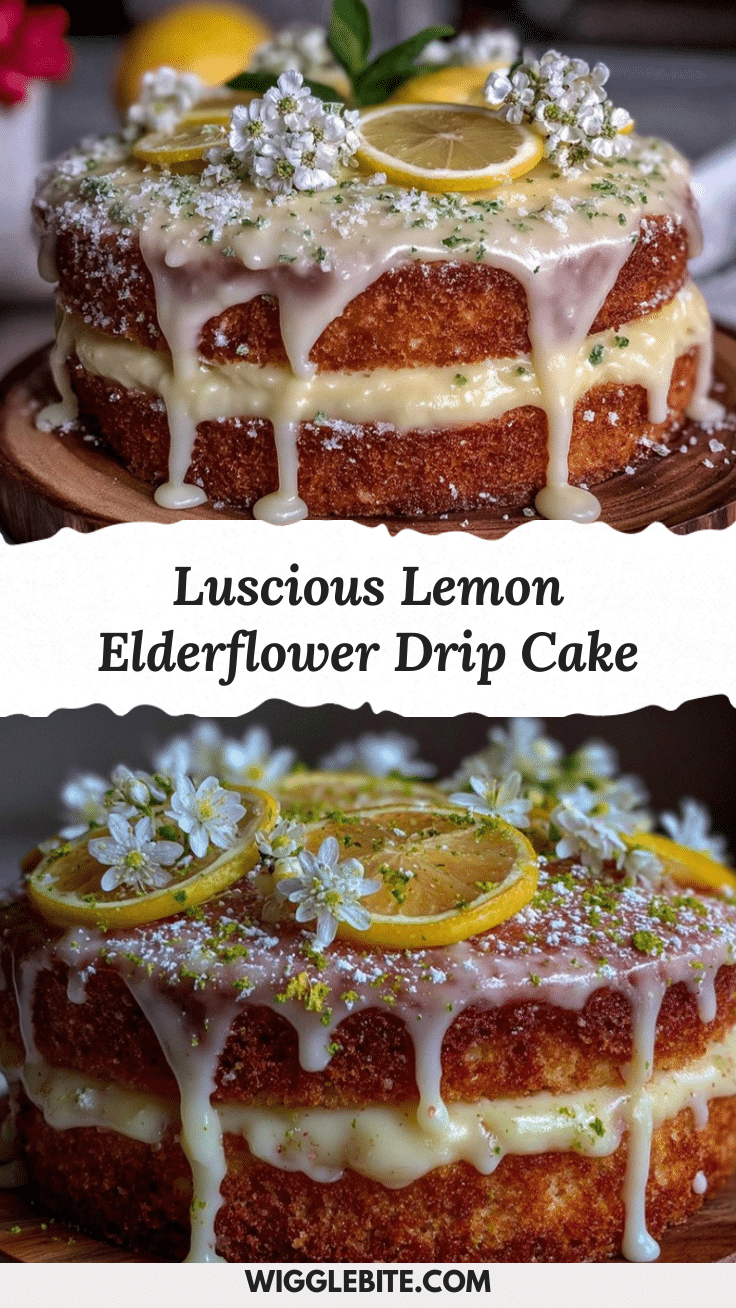
Perfect Lemon Elderflower Drip Cake
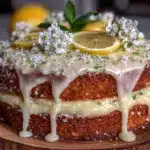
A bright and uplifting lemon sponge cake layered with elderflower-infused buttercream and topped with a delicate lemon elderflower drip, perfect for special occasions.
- Prep Time: 20 minutes
- Cook Time: 35 minutes
- Total Time: 90 minutes
- Yield: 12 servings
- Category: Dessert
- Cuisine: British
Ingredients
- All-purpose flour – 2 ½ cups (315g)
- Baking powder – 2 ½ teaspoons
- Salt – ½ teaspoon
- Unsalted butter, softened – 1 cup (227g)
- Granulated sugar – 1 ¾ cups (350g)
- Large eggs, room temperature – 4
- Whole milk – ¾ cup (180ml)
- Fresh lemon zest – from 2 lemons
- Fresh lemon juice – ¼ cup (60ml)
- Vanilla extract – 1 teaspoon
- Unsalted butter, softened – 1 ½ cups (340g) (for buttercream)
- Powdered sugar – 4 cups (480g), sifted (for buttercream)
- Elderflower cordial – 3 tablespoons (for buttercream)
- Heavy cream – 2 tablespoons (optional, for buttercream)
- Vanilla extract – ½ teaspoon (for buttercream)
- Powdered sugar – 1 cup (120g) (for drip)
- Fresh lemon juice – 2 tablespoons (30ml) (for drip)
- Elderflower cordial – 2 tablespoons (30ml) (for drip)
- Milk or water – 1-2 tablespoons (to adjust drip consistency)
- Thin lemon slices or twists (optional decoration)
- Edible flowers (like violets or pansies) (optional decoration)
- Fresh elderflower sprigs (optional decoration)
Instructions
- Preheat your oven to 350°F (175°C). Grease and flour two 8-inch (20cm) cake pans or line them with parchment paper.
- In a medium bowl, sift together 2 ½ cups all-purpose flour, 2 ½ teaspoons baking powder, and ½ teaspoon salt. Set aside.
- Using an electric mixer, beat 1 cup softened unsalted butter with 1 ¾ cups granulated sugar on medium speed until pale and fluffy, about 3-5 minutes.
- Beat in 4 large eggs, one at a time, scraping the bowl after each addition.
- Add zest from 2 lemons, ¼ cup fresh lemon juice, and 1 teaspoon vanilla extract. Blend gently.
- Reduce mixer speed to low. Add dry ingredients in three additions, alternating with ¾ cup whole milk, beginning and ending with dry. Mix until just combined.
- Pour batter evenly into prepared pans. Bake for 30-35 minutes or until a toothpick inserted comes out clean.
- Let cakes cool in pans for 15 minutes, then transfer to wire racks to cool completely.
- Beat 1 ½ cups softened unsalted butter until smooth. Gradually add 4 cups sifted powdered sugar. Mix in 3 tablespoons elderflower cordial, 2 tablespoons heavy cream, and ½ teaspoon vanilla extract. Beat until light and fluffy.
- Place one cake layer on your serving plate. Spread a generous layer of buttercream on top. Add the second layer and frost the entire cake smoothly.
- In a small bowl, whisk 1 cup powdered sugar with 2 tablespoons fresh lemon juice and 2 tablespoons elderflower cordial. Adjust thickness with 1-2 tablespoons milk or water.
- Use a spoon or small ladle to carefully drip the mixture around the cake’s edges. Let it settle for a few minutes.
- Decorate with thin lemon slices, edible flowers, or fresh elderflower sprigs as desired.
Notes
Keep butter softened but not melted for best frosting texture. Chill buttercream briefly if too soft. Adjust drip consistency with powdered sugar or liquid. Use fresh lemon juice for best flavor. Bake layers while preparing buttercream to save time. Cool cake completely before frosting and dripping.
Nutrition
- Serving Size: 1 slice (1/12 of cak
- Calories: 375
- Sugar: 38
- Sodium: 210
- Fat: 18
- Saturated Fat: 11
- Carbohydrates: 52
- Fiber: 1
- Protein: 4
Keywords: lemon cake, elderflower cake, drip cake, lemon elderflower drip cake, special occasion cake, easy lemon cake, homemade cake