Introduction
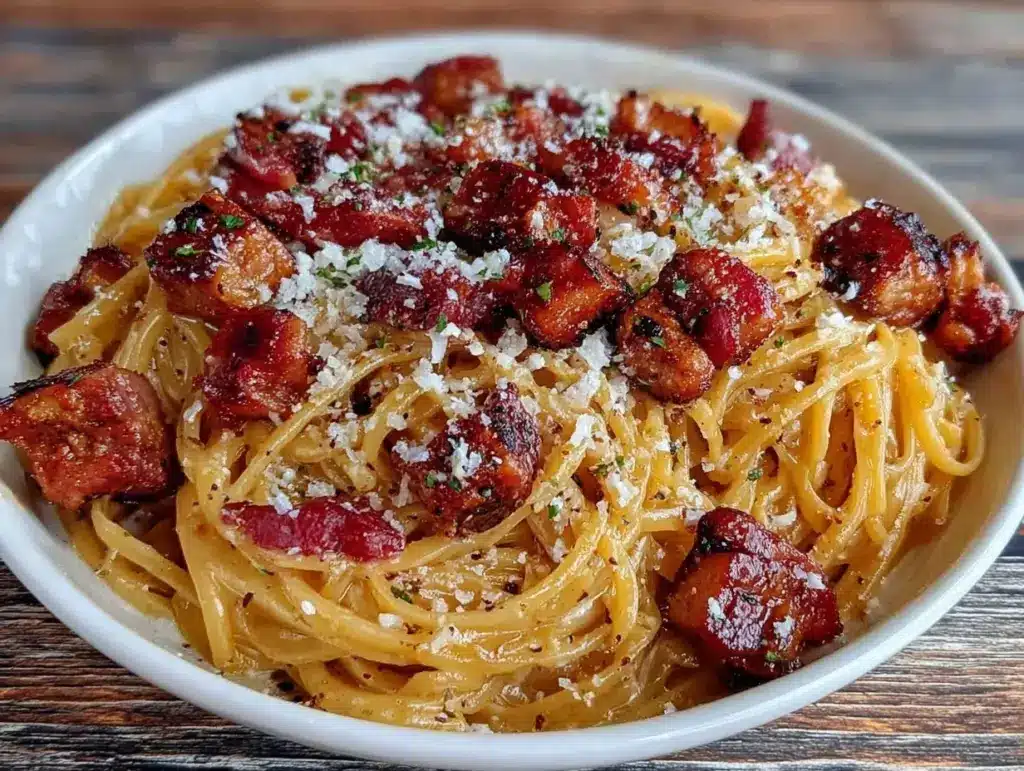
Let me tell you, the first time I watched ribbons of golden pasta twirl around a fork, glistening with a silky, creamy sauce and studded with crispy guanciale, my kitchen was filled with the kind of aroma that stops you in your tracks. The smell—smoky, porky, and just a hint of black pepper—set the stage. You know that feeling when you’re cooking and the whole house starts to smell like a dream? That’s authentic Italian carbonara working its magic. I still remember the first bite I ever had: rich, velvety, and so perfectly balanced, I actually paused mid-chew, grinned, and realized I’d stumbled onto a recipe that’s more than just dinner—it’s pure, nostalgic comfort.
Years ago, when I was knee-high to a grasshopper, my Nonna would make her special pasta carbonara recipe on chilly evenings. No cream, no fuss—just fresh eggs, aged Pecorino Romano, and that legendary guanciale. Honestly, I wish I’d learned this recipe sooner (there were too many bland pasta nights before this one appeared!). Whether it was for a busy weeknight or those lazy Sunday family gatherings, everyone’s hands would reach for a second helping. My family couldn’t stop sneaking bites straight from the pan, and let’s face it, I was right there with them.
This creamy Italian carbonara recipe is downright dangerously easy. It’s the kind of dish you make for potlucks, date nights, or just to brighten up your Pinterest dinner board. There’s nothing quite like the look of crispy guanciale piled high on strands of creamy pasta. After testing this recipe (in the name of research, of course) more times than I can count, it’s become a staple for family gatherings, gifting, and those moments when I need a meal that feels like a warm hug. You’re going to want to bookmark this one—trust me.
Why You’ll Love This Recipe
There’s a reason Italian carbonara with crispy guanciale is adored by cooks, pasta-lovers, and foodies across the globe. I’ve tested this recipe in my own kitchen, shared it at dinner parties, and even compared notes with an Italian chef friend (who gave it a big thumbs up). What makes this carbonara stand out? It’s the real thing—no shortcuts, no cream, just pure Roman comfort food.
- Quick & Easy: Comes together in under 25 minutes, perfect for those nights when you want something special but don’t have hours to spare.
- Simple Ingredients: Everything you need is probably in your pantry or fridge already—no fancy shopping trips.
- Perfect for Dinner Parties: Whether it’s a cozy meal for two or a big family feast, this carbonara always gets rave reviews.
- Crowd-Pleaser: Kids, picky eaters, and gourmet fans alike gobble it up (and ask for seconds).
- Unbelievably Delicious: The creamy sauce, salty guanciale, and punchy Pecorino Romano combine for a flavor that’s both sophisticated and satisfying.
What sets this Italian carbonara recipe apart is the technique—mixing the eggs and cheese off the heat so you get that creamy texture without scrambling. I use guanciale instead of bacon or pancetta for a truly authentic taste (the difference is huge, trust me!). Swapping in fresh, high-quality pasta makes it even better. This isn’t just another carbonara—it’s the version you’ll want to make over and over.
This pasta isn’t just good; it’s the kind that makes you close your eyes and savor every bite. It’s dinner that’s healthier than you’d expect, with all the soul-soothing satisfaction you crave. If you’re looking to impress guests without breaking a sweat, or just turn an ordinary night into something memorable, creamy Italian carbonara with crispy guanciale is your answer.
What Ingredients You Will Need
This creamy Italian carbonara recipe uses simple, wholesome ingredients to deliver bold flavor and that dreamy, satisfying texture—no fuss, no fillers. Most of these are pantry staples, and you’ll find they’re easy to substitute if needed.
- For the Pasta:
- 400g (14 oz) dried spaghetti or rigatoni (Barilla or De Cecco are my go-tos for texture)
- For the Sauce:
- 150g (5.3 oz) guanciale, diced into small cubes (authentic, but if you must, pancetta works too)
- 3 large eggs, room temperature (adds richness and that silky texture)
- 1 large egg yolk, room temperature (extra creaminess)
- 80g (2.8 oz) Pecorino Romano cheese, finely grated (I recommend buying whole and grating fresh for best flavor)
- Freshly ground black pepper, to taste (don’t skimp on this—it’s the secret to the classic carbonara kick)
- Salt, for pasta water (use sea salt if possible for better seasoning)
Substitution Notes: If guanciale isn’t available, pancetta or thick-cut unsmoked bacon can pinch-hit—though the flavor won’t be quite as magical. For cheese, Parmigiano Reggiano can stand in for Pecorino Romano, but it’s a little milder. Prefer gluten-free? Use your favorite GF pasta brand. Dairy-free? Try nutritional yeast plus a touch of olive oil, though the flavor will change.
Ingredient Tips: Look for firm, well-aged guanciale at Italian markets for best results. Fresh eggs are key—older eggs won’t set up as creamy. Use a pepper grinder for that punchy, aromatic finish. In summer, you can swap in fresh herbs like parsley for a pop of color and freshness. Honestly, don’t be afraid to play around with what you have (carbonara is forgiving, as long as you stick to the basics).
Equipment Needed
- Large pot for boiling pasta: Any sturdy pot will work; I use my old stainless steel stockpot (still going strong after years!).
- Large skillet or sauté pan: For crisping the guanciale; nonstick or stainless works, but cast iron gives the best browning.
- Mixing bowl: For whisking eggs and cheese together; glass or metal, your choice.
- Whisk or fork: To blend the eggs and cheese into a smooth mixture.
- Tongs or pasta fork: For tossing the pasta with the sauce and guanciale.
- Microplane or cheese grater: For finely grating Pecorino Romano (trust me, fresh grated makes a world of difference).
- Colander: To drain your pasta quickly.
If you don’t have a large skillet, a medium saucepan can work in a pinch (just watch for spattering!). My favorite budget-friendly tip: thrift stores often have cast iron pans or cheese graters for a few bucks. Clean your cast iron well after cooking guanciale so it stays in good shape for years to come. For mixing bowls, I honestly just use whatever’s clean—no need for fancy gear here.
Preparation Method
- Prep the Ingredients: Cut 150g (5.3 oz) guanciale into small cubes. Finely grate 80g (2.8 oz) Pecorino Romano cheese. Crack 3 large eggs and 1 additional egg yolk into a bowl. Bring eggs to room temperature for a silkier sauce.
- Boil the Pasta: Fill a large pot with water, add a generous handful of salt (about 2 tablespoons), and bring to a rolling boil. Add 400g (14 oz) spaghetti or rigatoni and cook until al dente, usually 8-10 minutes. Reserve 1 cup (240ml) pasta water just before draining.
- Crisp the Guanciale: While pasta cooks, heat a large skillet over medium heat. Add the guanciale cubes. Let them sizzle and cook for about 5-7 minutes until fat renders and pieces are deeply golden and crispy. Stir occasionally so they brown evenly. If the pan gets too hot, lower the heat (burnt guanciale tastes bitter!).
- Prepare the Sauce Mixture: While guanciale crisps, whisk together eggs, egg yolk, and grated Pecorino Romano in a bowl. Add a generous sprinkle of freshly ground black pepper (I like 1/2 teaspoon). Whisk until smooth and creamy. If mixture seems thick, add a spoonful of reserved pasta water to loosen.
- Combine Pasta and Guanciale: Once pasta is cooked, drain (don’t rinse!). Immediately add hot pasta to the skillet with crispy guanciale (remove from heat). Toss well to coat pasta in rendered fat. Work quickly so pasta stays hot.
- Finish the Sauce: With pasta and guanciale in the pan (off heat), pour in the egg and cheese mixture. Toss fast and steady using tongs—this is where the magic happens! The residual heat cooks the eggs, creating a creamy, glossy sauce. Add a splash of reserved pasta water as needed for extra creaminess.
- Troubleshooting: If the sauce is too thick or clumpy, add more pasta water bit by bit. If it’s too runny, toss for another 30 seconds to thicken. If you see scrambled eggs, the pan was too hot—try again with less heat next time.
- Final Touch: Taste and adjust seasoning with extra Pecorino Romano and black pepper. Serve immediately, garnished with more cheese and a sprinkle of pepper.
Personal tip: Keep everything moving when you add the eggs—don’t let them sit or you’ll get scrambled carbonara, which is just not the same. If you’re making a big batch, work in smaller portions so everything stays creamy. The sauce should coat the pasta like velvet, with flecks of crispy guanciale throughout. It’s honestly the best creamy pasta for dinner when you get it right!
Cooking Tips & Techniques
Making a flawless Italian carbonara isn’t rocket science, but there are a few tricks that make all the difference. Over the years, I’ve learned (sometimes the hard way!) what works and what doesn’t.
- Don’t Overcook Guanciale: You want crisp but not burnt—medium heat is key. Remove from heat once it’s golden and aromatic.
- Timing is Crucial: Have your egg-cheese mixture ready before the pasta finishes cooking. That way, you can work quickly and keep the residual heat.
- Toss, Don’t Stir: Use tongs to toss the pasta and sauce together. Stirring can break strands and create uneven texture.
- Common Mistake—Scrambled Eggs: The number one carbonara fail is scrambled eggs. Always add the eggs off the heat. If you’re nervous, let the pan sit for 30 seconds before adding the mixture.
- Use Pasta Water Wisely: Add reserved pasta water a little at a time to adjust the sauce. Too much and it gets soupy, too little and it’s dry.
- Personal Lesson: Once, I tried making this with cold eggs—big mistake! Room temp eggs blend way smoother. I also learned that using pre-shredded cheese gives a grainy sauce, so always grate fresh.
- Consistency: For restaurant-level results, always use high-quality ingredients and pay attention to temperature. The sauce should be creamy, never oily or clumpy.
- Multitasking Strategy: Start crisping guanciale as soon as pasta water is boiling. Whisk eggs while everything cooks, so it all comes together hot and fresh.
Remember, it’s okay if it’s not perfect the first time—it took me a few tries to get that dreamy texture! Each attempt teaches you something new, so don’t stress. The reward is worth every minute.
Variations & Adaptations
Carbonara’s beauty is in its simplicity, but you can always switch things up to suit your tastes, dietary needs, or what’s in your fridge!
- Gluten-Free: Swap traditional pasta for your favorite gluten-free spaghetti or rigatoni. Brands like Jovial and Barilla make sturdy options that hold up well.
- Vegetarian Twist: Substitute guanciale with smoked mushrooms or roasted eggplant for a meaty, smoky flavor. You won’t get the same crunch, but it’s surprisingly hearty.
- Seasonal Add-Ins: In spring, toss in peas or asparagus tips for a pop of color and lightness. In fall, a pinch of nutmeg gives the sauce an earthy warmth.
- Dairy-Free Option: Use nutritional yeast and olive oil instead of cheese—flavor will differ, but it still makes a satisfying sauce.
- Alternative Cooking Methods: If you prefer not to toss the eggs with hot pasta, use a double boiler to gently heat the egg-cheese mixture, then pour it over the pasta.
- Personal Favorite: I once added a handful of arugula and fresh lemon zest—totally not traditional, but it was bright and delicious!
Allergen note: If you have egg allergies, this recipe isn’t ideal, but you can experiment with vegan egg substitutes (though texture will change). For dairy or pork allergies, swap out cheese/guanciale as mentioned above. Customizing carbonara is half the fun—just don’t tell my Nonna I said so!
Serving & Storage Suggestions
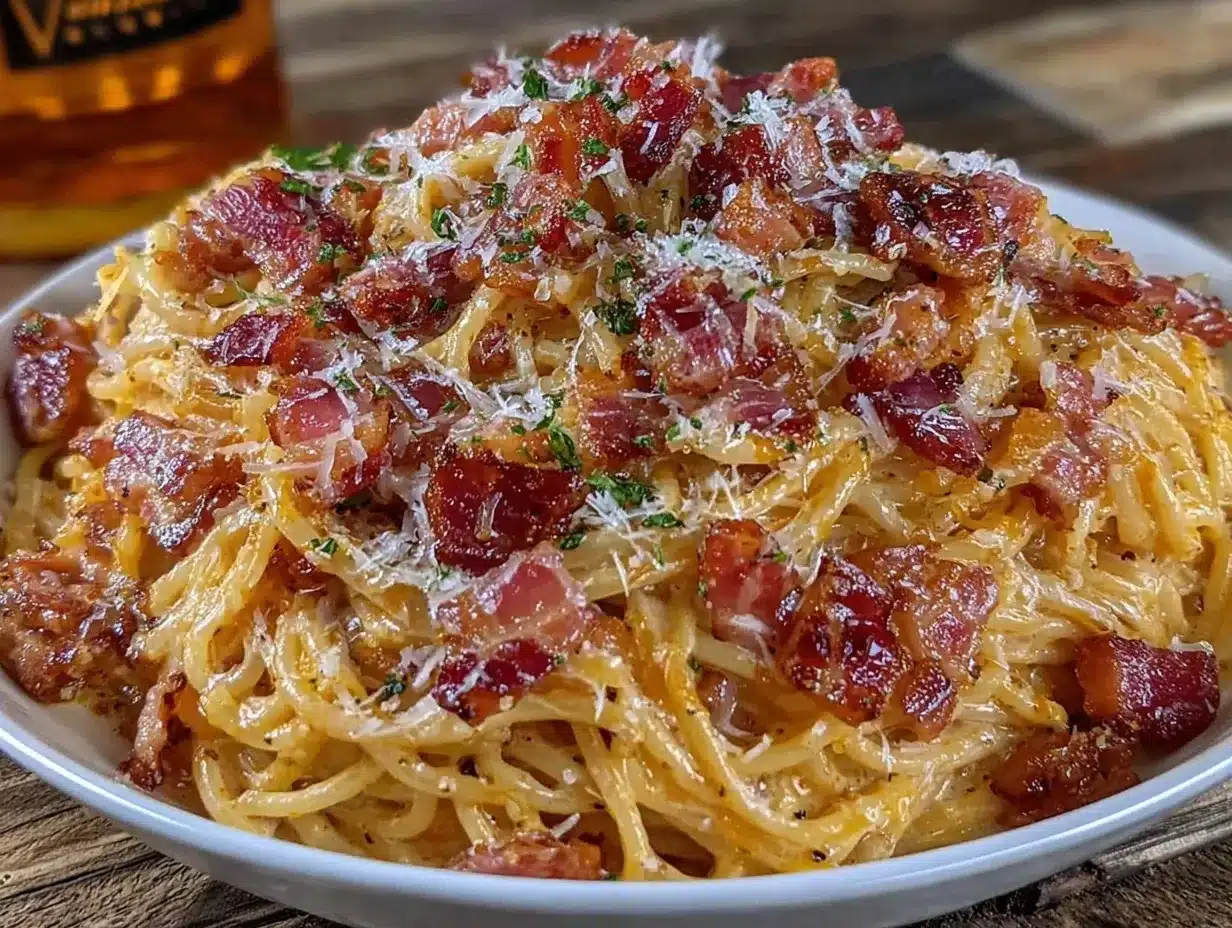
Italian carbonara is best served piping hot, straight from the pan. I like to pile it into shallow bowls, top with extra Pecorino Romano, and a dusting of black pepper. Presentation matters—twirl the pasta high and let the crispy guanciale shine on top. For a cozy dinner, pair with a simple green salad and a glass of Italian white wine (Frascati or Pinot Grigio is my pick).
If you’ve got leftovers (rare, but it happens!), store them in an airtight container in the fridge for up to 2 days. Reheat gently in a skillet with a splash of pasta water or milk to loosen the sauce—avoid microwaving, as it can make the eggs rubbery. You can also freeze carbonara, though the texture will change, so I usually just eat it fresh.
Honestly, the flavors deepen overnight—the guanciale infuses the sauce, and the pasta soaks up all that goodness. It’s not quite as silky as the first night, but the flavor is still outrageously good. Serve cold for a pasta salad twist, or reheat for another round of comfort food!
Nutritional Information & Benefits
This creamy Italian carbonara recipe is surprisingly balanced for a comfort food classic. Per serving (based on 4 portions):
- Calories: ~540
- Protein: ~18g
- Fat: ~27g
- Carbohydrates: ~56g
- Sodium: ~850mg
Pecorino Romano is rich in calcium and protein, while eggs add vitamin D and choline. Guanciale, although indulgent, provides good flavor with just a modest amount. For gluten-free needs, swap the pasta. This dish contains egg, dairy, and pork—so it’s not suitable for vegan or kosher diets, but you can adapt as needed. I love that this recipe delivers big comfort while still offering real, nourishing ingredients—no weird additives or heavy cream!
Conclusion
So there you have it—creamy authentic Italian carbonara with crispy guanciale. It’s a dish that’s worth every bit of effort, and once you master it, you’ll wonder why you ever settled for anything less. I love how this recipe brings my family together and makes dinner feel special, even on a regular Tuesday night. Don’t be afraid to tweak it to your tastes—make it gluten-free, toss in some seasonal veggies, or try a veggie twist. That’s the beauty of home cooking.
If you try this Italian carbonara recipe with crispy guanciale, let me know in the comments! Share your own adaptations or family secrets—I honestly love hearing how everyone makes it their own. Bookmark this page, pin it to your best creamy pasta board, and come back whenever you crave true Roman comfort. Here’s to many delicious dinners ahead!
FAQs
What makes Italian carbonara different from other creamy pasta recipes?
Authentic carbonara uses eggs and Pecorino Romano for creaminess—no cream or milk. Crispy guanciale gives it a unique, savory flavor you won’t find in other creamy pasta dishes.
Can I use bacon instead of guanciale?
Yes, you can substitute bacon or pancetta if guanciale isn’t available. The flavor is a little different, but still delicious!
How do I keep the eggs from scrambling?
Always add the egg and cheese mixture off the heat with hot pasta. Toss quickly to create a creamy sauce—don’t let it sit or get too hot.
Is Italian carbonara gluten-free?
The traditional recipe uses wheat pasta, but you can swap in your favorite gluten-free spaghetti or rigatoni.
Can I make carbonara ahead of time?
Carbonara is best eaten fresh, but you can store leftovers in the fridge and gently reheat with a splash of pasta water or milk. The texture won’t be quite as silky, but the flavor is still great!
Pin This Recipe!
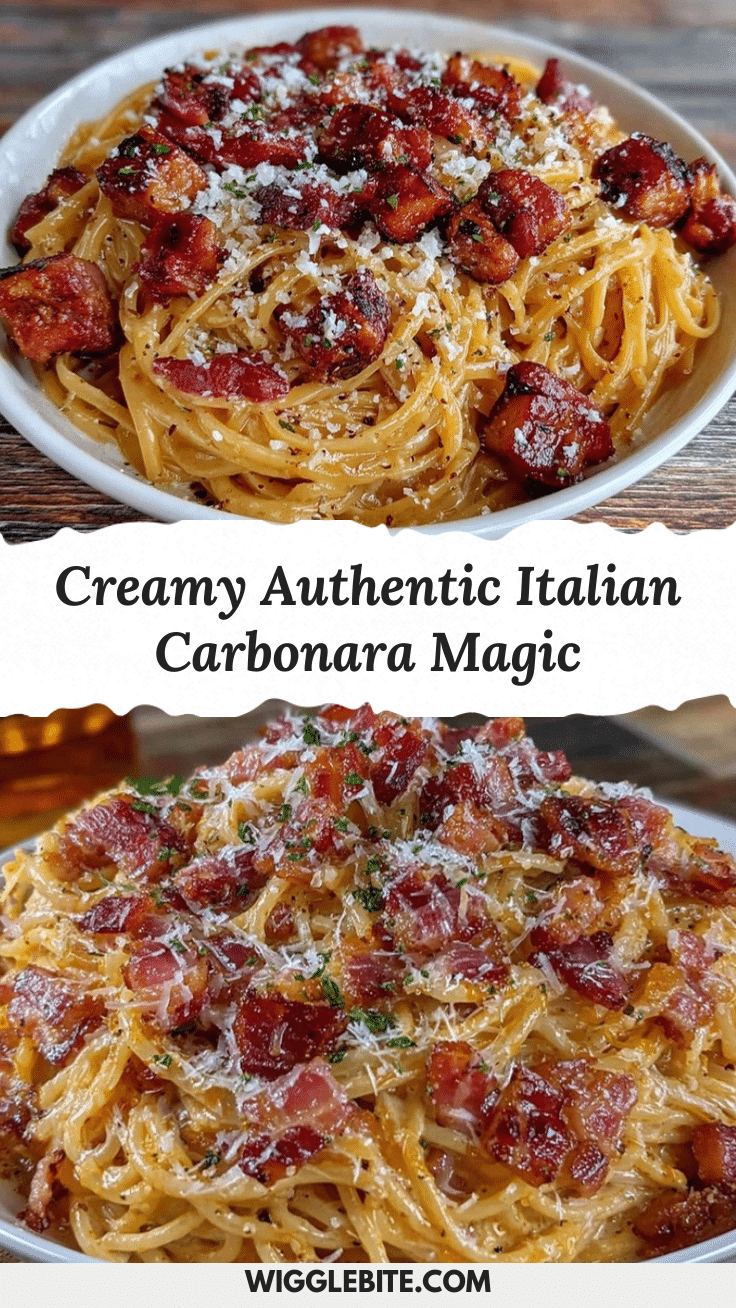
Italian Carbonara Recipe with Crispy Guanciale
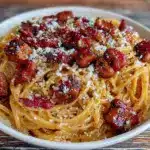
This authentic Italian carbonara features silky pasta coated in a creamy egg and Pecorino Romano sauce, studded with crispy guanciale. It’s a comforting, crowd-pleasing dinner that’s quick, easy, and bursting with bold Roman flavors.
- Prep Time: 10 minutes
- Cook Time: 15 minutes
- Total Time: 25 minutes
- Yield: 4 servings 1x
- Category: Main Course
- Cuisine: Italian
Ingredients
- 14 oz dried spaghetti or rigatoni
- 5.3 oz guanciale, diced into small cubes (or pancetta/thick-cut unsmoked bacon as substitute)
- 3 large eggs, room temperature
- 1 large egg yolk, room temperature
- 2.8 oz Pecorino Romano cheese, finely grated (or Parmigiano Reggiano as substitute)
- Freshly ground black pepper, to taste
- Salt, for pasta water (about 2 tablespoons)
Instructions
- Cut guanciale into small cubes and finely grate Pecorino Romano cheese. Crack eggs and egg yolk into a bowl and bring to room temperature.
- Fill a large pot with water, add salt, and bring to a rolling boil. Add pasta and cook until al dente, 8-10 minutes. Reserve 1 cup pasta water before draining.
- While pasta cooks, heat a large skillet over medium heat. Add guanciale cubes and cook for 5-7 minutes until fat renders and pieces are golden and crispy. Stir occasionally.
- In a mixing bowl, whisk together eggs, egg yolk, and grated Pecorino Romano. Add freshly ground black pepper and whisk until smooth. If thick, add a spoonful of reserved pasta water.
- Drain pasta and immediately add to skillet with crispy guanciale (remove from heat). Toss well to coat pasta in rendered fat.
- Pour egg and cheese mixture over pasta and guanciale (off heat). Toss quickly and steadily with tongs until a creamy, glossy sauce forms. Add reserved pasta water as needed for creaminess.
- If sauce is too thick, add more pasta water. If too runny, toss for another 30 seconds to thicken. Avoid scrambled eggs by keeping pan off heat.
- Taste and adjust seasoning with extra Pecorino Romano and black pepper. Serve immediately, garnished with more cheese and pepper.
Notes
For best results, use room temperature eggs and freshly grated cheese. Toss pasta and sauce off the heat to avoid scrambling the eggs. Reserve pasta water to adjust sauce consistency. Guanciale is traditional, but pancetta or unsmoked bacon can be substituted. For gluten-free, use GF pasta. For vegetarian, substitute guanciale with smoked mushrooms or roasted eggplant.
Nutrition
- Serving Size: About 1/4 of recipe
- Calories: 540
- Sugar: 2
- Sodium: 850
- Fat: 27
- Saturated Fat: 10
- Carbohydrates: 56
- Fiber: 3
- Protein: 18
Keywords: carbonara, Italian pasta, creamy pasta, guanciale, Pecorino Romano, dinner, authentic, Roman, easy pasta, comfort food