“You know that feeling when you open your fridge hoping to find something quick and tasty, but everything looks like a jumble of leftovers? Well, last Thursday evening was exactly that for me. I had a handful of cherry tomatoes, a few random veggies, and a bit of fresh basil sitting on the counter. Honestly, I wasn’t expecting much, but as I tossed those ingredients together with some pasta and homemade pesto, something magical happened. The kitchen smelled like a summer garden, and the first bite? Let’s just say, it transported me straight to a cozy Italian trattoria—even though I was in my mismatched pajamas and slightly distracted by a cracked mixing bowl on the floor.
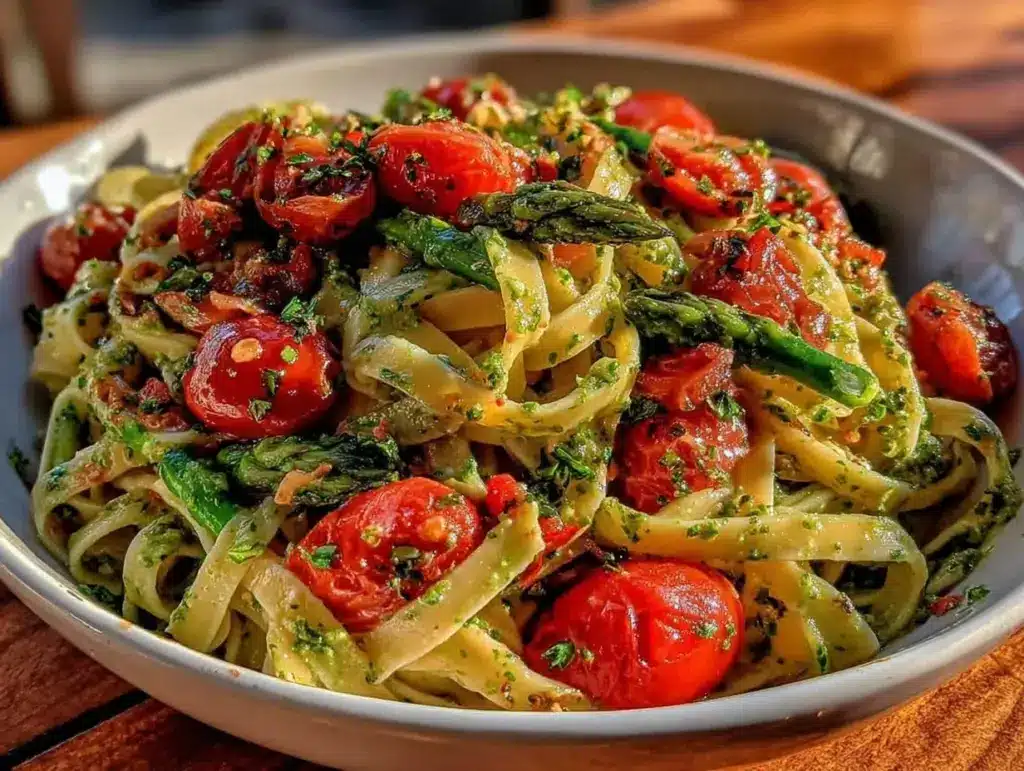
This fresh pesto pasta primavera with cherry tomatoes and veggies isn’t just another pasta dish. It’s a happy accident that turned a rushed weeknight into a little celebration of colors, textures, and bold flavors. Maybe you’ve been there too—scrambling to pull together dinner with what’s on hand—and this recipe feels like that perfect solution that’s both fuss-free and full of life. I keep coming back to it, especially when I want something that’s bright, satisfying, and honestly, just plain comforting without the heaviness.
Let me tell you, the way the pesto clings to the pasta, the pop of juicy cherry tomatoes, and the crunch of fresh veggies all come together like a little symphony. And yes, I did forget to drain the pasta properly the first time I made this (classic me!), but even then, it was delicious. That’s how forgiving and flexible this recipe is, and why it’s stuck with me for good.
Why You’ll Love This Recipe
Having tried countless pasta dishes, this fresh pesto pasta primavera stands out for several reasons. First off, it’s incredibly simple but never bland. I’ve tested this recipe multiple times—both in my home kitchen and with friends—and every single time it’s a hit. The balance of fresh veggies and vibrant pesto makes it feel like you’re eating something special, even on a busy weekday.
- Quick & Easy: Ready in under 30 minutes, perfect when you need dinner fast without sacrificing flavor.
- Simple Ingredients: Uses everyday pantry staples and seasonal vegetables; no trips to specialty stores required.
- Perfect for Veggie Lovers: Loads of fresh veggies make it satisfyingly nutritious and colorful.
- Crowd-Pleaser: Whether you’re feeding a family or having friends over, it gets rave reviews every time.
- Unbelievably Delicious: The homemade pesto’s fresh basil punch combined with the sweet burst of cherry tomatoes is next-level comfort food.
What makes this version different? Honestly, it’s the way the pesto is made fresh with toasted pine nuts and plenty of garlic, blended until silky smooth. And the veggies—lightly sautéed to keep their crunch and color—add that satisfying texture that many store-bought pesto pasta dishes miss. This isn’t just a recipe—it’s a little ritual that brightens up any meal.
If you love dishes that feel fresh, vibrant, and totally doable, this pasta primavera will quickly become a favorite for your weeknight rotation.
What Ingredients You Will Need
This recipe uses simple, wholesome ingredients to deliver bold flavor and satisfying texture without the fuss. Most of these are pantry staples or easy to find at your local market, and you can swap ingredients to suit what you have on hand.
- Pasta: 12 ounces (340 g) of your choice—penne, fusilli, or spaghetti work beautifully.
- Cherry tomatoes: 1 pint (about 300 g), halved (fresh and juicy add a lovely burst).
- Fresh basil: 2 packed cups (about 50 g) leaves (the star of the pesto).
- Pine nuts: 1/4 cup (30 g), toasted (adds nuttiness and richness).
- Garlic: 2 cloves, minced (for that signature pungent kick).
- Parmesan cheese: 1/2 cup (50 g), grated (opt for Parmigiano-Reggiano if possible).
- Olive oil: 1/2 cup (120 ml), extra virgin (use a good-quality brand like Colavita for best flavor).
- Mixed veggies: 1 cup total, sliced (think zucchini, bell pepper, snap peas—whatever’s fresh and crunchy).
- Lemon juice: 1 tablespoon (freshly squeezed, brightens the whole dish).
- Salt and freshly ground black pepper: To taste.
- Red pepper flakes: Optional, a pinch for a little heat.
Substitution tips: Use almond flour for a gluten-free pasta option. Swap pine nuts with walnuts or cashews if you’re allergic or out of stock. For dairy-free, omit Parmesan or use nutritional yeast (I’ve tried this and it works surprisingly well!).
Equipment Needed
To make fresh pesto pasta primavera, you’ll need some basic kitchen tools that most home cooks already have. Here’s what helped me get the best results without any drama:
- Large pot: For boiling pasta. A wide one helps pasta cook evenly.
- Colander: To drain the pasta easily. If you don’t have one, a slotted spoon works in a pinch.
- Food processor or blender: Essential for making that silky pesto. My old food processor from Cuisinart has been a champ for years.
- Large skillet or sauté pan: For gently cooking the veggies and tomatoes.
- Wooden spoon or silicone spatula: To toss the pasta with pesto without breaking it.
- Measuring cups and spoons: For precise quantities, especially with olive oil and pine nuts.
If you’re on a budget, a good blender can substitute for a food processor, though the texture may be slightly different. Regular maintenance of your blades and keeping your equipment clean ensures great tasting pesto every time. Honestly, I can’t imagine making this without my trusty processor—it just makes everything smoother and faster.
Preparation Method
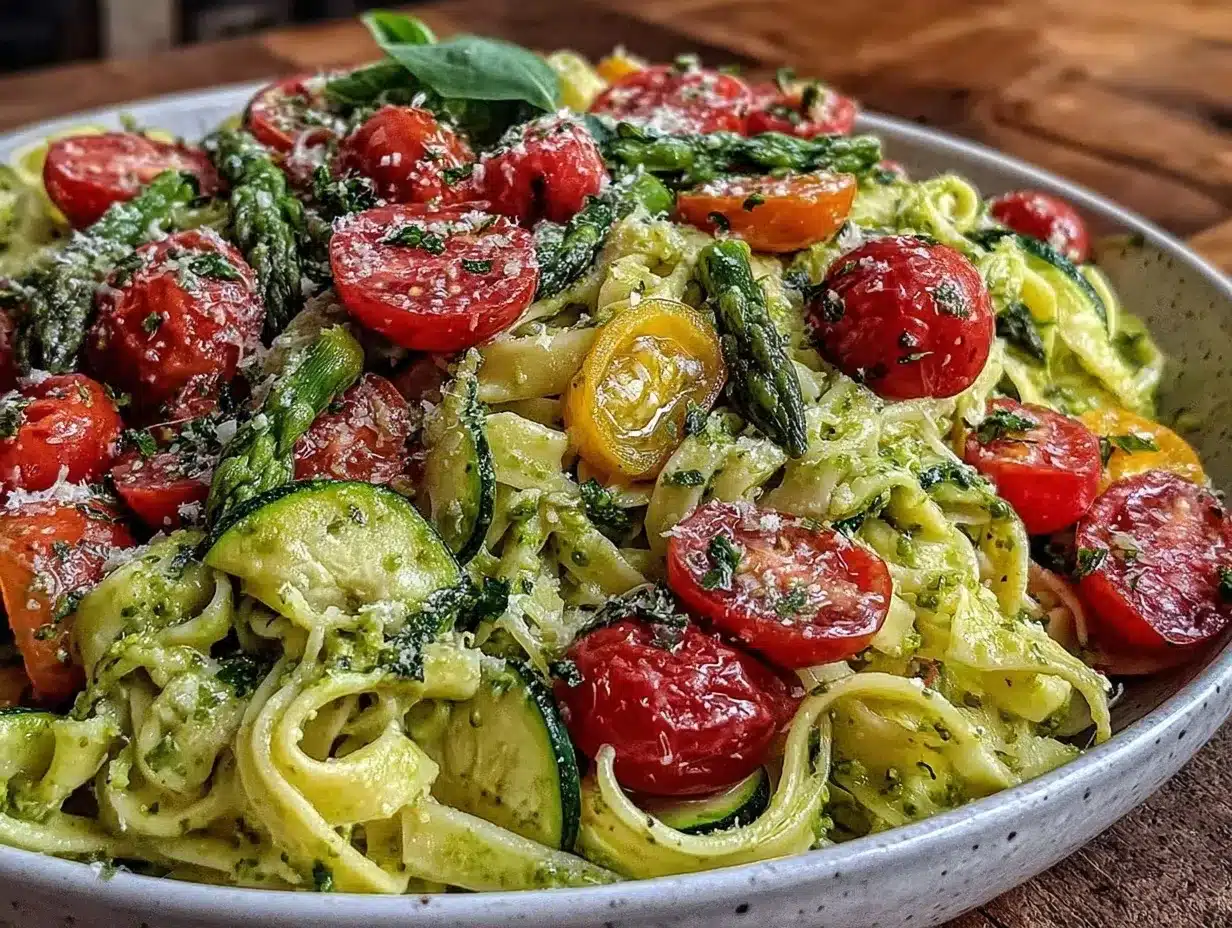
- Cook the pasta: Bring a large pot of salted water to a boil. Add 12 ounces (340 g) of pasta and cook according to package instructions, usually 8–10 minutes for al dente. Stir occasionally to prevent sticking. Reserve 1/2 cup (120 ml) of pasta water before draining.
- Toast the pine nuts: While the pasta cooks, heat a small dry skillet over medium heat. Add 1/4 cup (30 g) pine nuts and toast, stirring frequently, until golden and fragrant—about 3 minutes. Watch closely to avoid burning.
- Make the pesto: In a food processor, combine 2 packed cups (50 g) fresh basil leaves, toasted pine nuts, 2 minced garlic cloves, 1/2 cup (50 g) grated Parmesan, and 1/2 cup (120 ml) olive oil. Pulse until smooth but still slightly textured. Add salt and pepper to taste. If it’s too thick, add a tablespoon of reserved pasta water.
- Sauté the veggies: In a large skillet over medium heat, add a splash of olive oil. Toss in 1 cup of mixed veggies (like zucchini, bell peppers, snap peas) and cook for 4–5 minutes, stirring occasionally, until just tender but still vibrant. Add halved cherry tomatoes and cook for another 2 minutes, allowing them to soften slightly without losing their shape.
- Toss everything together: Add the drained pasta to the skillet with veggies. Pour in the pesto and 1 tablespoon fresh lemon juice. Toss gently to coat evenly. If needed, add reserved pasta water a tablespoon at a time to loosen the sauce to your liking.
- Final seasoning: Taste and adjust salt, pepper, and red pepper flakes if using. Remove from heat and serve immediately, garnished with extra Parmesan and a few basil leaves if you like.
Note: Be careful not to overcook the veggies—they should maintain a bit of crunch to contrast with the soft pasta. If your pesto seems dull, a splash of lemon juice brightens it right up. And hey, if you forget to save the pasta water (been there!), a little warm water mixed with olive oil can help too.
Cooking Tips & Techniques
Making fresh pesto pasta primavera is straightforward, but a few tricks can really push it from good to great. Here’s what I’ve learned after a handful of kitchen experiments:
- Toast pine nuts gently: They go from golden to burnt in seconds. Toast only until you smell that toasty aroma.
- Use fresh basil: Dried basil just won’t give you that vibrant flavor or color. I recommend buying fresh bunches weekly and storing wrapped in a damp paper towel.
- Don’t overcook the veggies: They should be tender-crisp. Overcooking turns them mushy and dulls their color.
- Reserve pasta water: The starchy water helps the pesto cling to the pasta and brings everything together.
- Toss off the heat: Mixing pesto and pasta off the heat prevents the basil from wilting and losing its fresh flavor.
- Multitasking tip: While pasta boils, get the pesto and veggies ready to save time. I often prep the pesto first, then cook the veggies while pasta finishes.
- Watch your garlic: Raw garlic in pesto is lovely, but if you find it too sharp, roast a clove beforehand for a milder taste.
Honestly, I once tossed the pesto in while the pasta was still boiling hot, and the sauce turned a dull green—lesson learned! Just a little patience makes all the difference.
Variations & Adaptations
This fresh pesto pasta primavera is flexible, which makes it easy to adapt for different tastes and dietary needs. Here are some ways to change it up:
- Protein boost: Add grilled chicken, shrimp, or chickpeas for a heartier meal. I especially love adding crispy tofu cubes for a vegetarian twist.
- Seasonal veggies: Swap in asparagus and peas in spring, or roasted butternut squash and kale in fall. The recipe adapts beautifully.
- Dairy-free version: Skip Parmesan and add nutritional yeast or a sprinkle of toasted nuts for cheesy flavor without dairy.
- Gluten-free pasta: Brown rice, chickpea, or lentil pasta work great here. Just adjust cooking time accordingly.
- Spicy kick: Add more red pepper flakes or a dash of hot sauce for those who like it fiery.
One variation I tried recently involved swapping cherry tomatoes for sun-dried tomatoes and adding a handful of arugula for peppery bite. It was unexpected but honestly fantastic—just a reminder this recipe plays well with experimentation!
Serving & Storage Suggestions
This fresh pesto pasta primavera is best enjoyed immediately while the veggies are crisp and the pesto fresh. Serve it warm or at room temperature, garnished with extra grated Parmesan and fresh basil leaves for that extra pop.
Pair it with a crisp green salad or a glass of chilled white wine or sparkling water with lemon for a simple, satisfying meal. If you want to get fancy, a slice of crusty garlic bread rounds it out beautifully.
For leftovers, store in an airtight container in the refrigerator for up to 2 days. The pasta tends to soak up the sauce, so when reheating, add a splash of water or olive oil and gently warm on the stovetop or microwave to revive the texture. Flavors actually deepen after a day, so leftovers can be a nice change of pace.
Nutritional Information & Benefits
This fresh pesto pasta primavera is a nutrient-packed dish that balances carbohydrates, healthy fats, and vitamins from fresh vegetables. One serving (about 1 1/2 cups) provides roughly:
| Calories | 420 |
|---|---|
| Protein | 14 g |
| Fat | 18 g |
| Carbohydrates | 50 g |
| Fiber | 6 g |
The fresh basil and garlic have antioxidants, while pine nuts add heart-healthy fats. Cherry tomatoes provide vitamin C and lycopene, which can support immune health. Using whole-grain or legume-based pasta can boost fiber and protein further.
For those watching gluten or dairy, there are easy swaps, making this dish accessible to many dietary needs without compromising flavor. From a wellness perspective, it’s a balanced meal that feels satisfying without heaviness—perfect if you want something light but filling.
Conclusion
Fresh pesto pasta primavera with cherry tomatoes and veggies is one of those recipes that feels like a little kitchen celebration every time you make it. The combination of vibrant colors, fresh herbs, and satisfying textures comes together in a dish that’s both simple and full of personality. Whether you’re a seasoned home cook or just looking for an easy, delicious meal, this recipe adapts beautifully to your tastes and schedule.
Don’t be shy about customizing it—add your favorite veggies, swap in a protein, or adjust the seasoning to make it your own. I keep making it because it’s comforting yet fresh, quick but never boring. If you try it, I’d love to hear how you made it yours—leave a comment or share your variations. Cooking is all about fun and discovery, after all!
Happy cooking, and here’s to many more bright, tasty meals in your kitchen!
FAQs
Can I use store-bought pesto instead of making it fresh?
Yes, you can! While fresh pesto really shines here, a good-quality store-bought pesto works fine in a pinch. Just adjust the seasoning and add a squeeze of lemon to brighten the flavor.
What pasta type is best for this recipe?
Penne, fusilli, or spaghetti all work well. Choose a shape that holds the pesto sauce nicely. Whole-grain or legume-based pastas are great for added nutrition.
How do I store leftovers?
Keep leftovers in an airtight container in the fridge for up to 2 days. Reheat gently with a splash of water or olive oil to refresh the sauce and soften the pasta.
Can I make this recipe vegan?
Absolutely! Simply omit the Parmesan or replace it with nutritional yeast or a vegan cheese alternative. Make sure your pasta is egg-free if needed.
Is it okay to freeze this pesto pasta primavera?
Freezing isn’t ideal because the texture of fresh veggies and pesto can change. It’s best enjoyed fresh or refrigerated. If you want to freeze, consider freezing pesto separately and adding fresh veggies when serving.
Pin This Recipe!
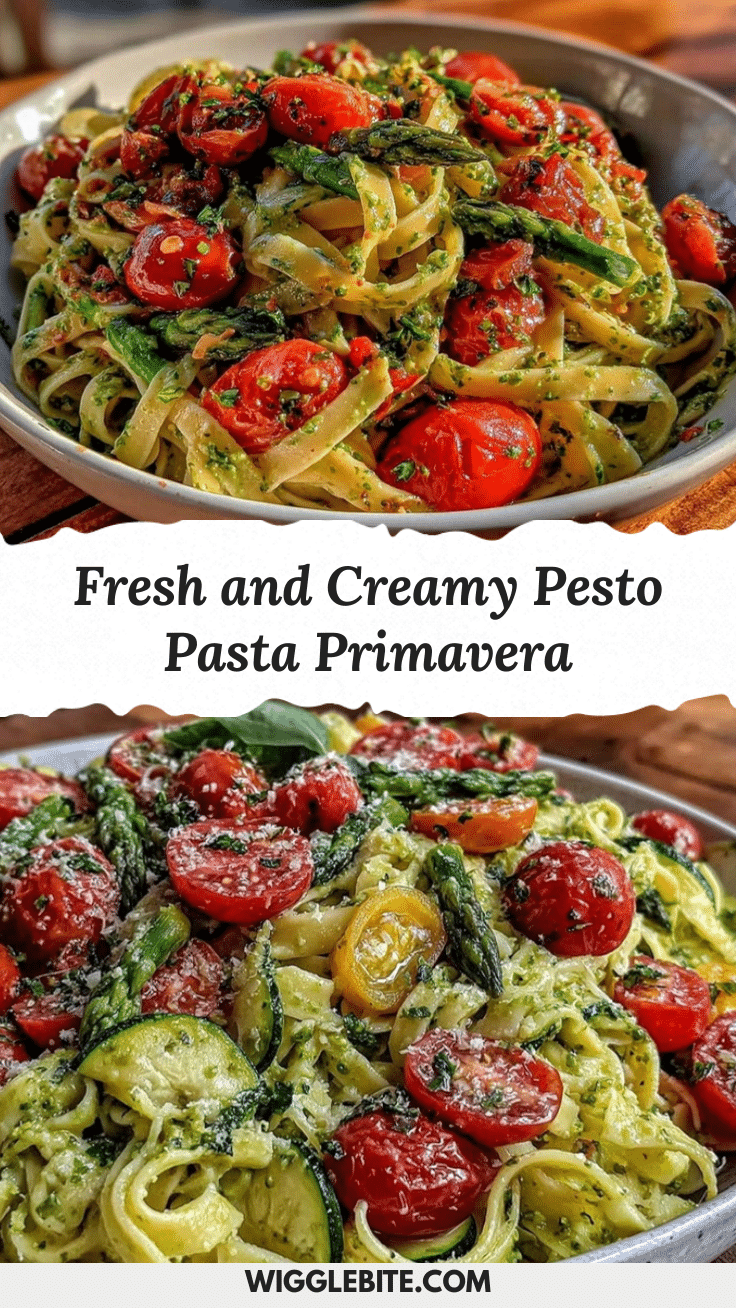
Fresh Pesto Pasta Primavera
A quick and easy homemade pasta dish featuring fresh pesto, cherry tomatoes, and sautéed veggies, perfect for a vibrant and comforting weeknight meal.
- Prep Time: 10 minutes
- Cook Time: 15 minutes
- Total Time: 25 minutes
- Yield: 4 servings 1x
- Category: Main Course
- Cuisine: Italian
Ingredients
- 12 ounces (340 g) pasta (penne, fusilli, or spaghetti)
- 1 pint (about 300 g) cherry tomatoes, halved
- 2 packed cups (about 50 g) fresh basil leaves
- 1/4 cup (30 g) pine nuts, toasted
- 2 cloves garlic, minced
- 1/2 cup (50 g) grated Parmesan cheese
- 1/2 cup (120 ml) extra virgin olive oil
- 1 cup mixed veggies (zucchini, bell pepper, snap peas), sliced
- 1 tablespoon fresh lemon juice
- Salt and freshly ground black pepper, to taste
- Red pepper flakes, optional pinch
Instructions
- Bring a large pot of salted water to a boil. Add 12 ounces (340 g) of pasta and cook according to package instructions, usually 8–10 minutes for al dente. Stir occasionally to prevent sticking. Reserve 1/2 cup (120 ml) of pasta water before draining.
- While the pasta cooks, heat a small dry skillet over medium heat. Add 1/4 cup (30 g) pine nuts and toast, stirring frequently, until golden and fragrant—about 3 minutes. Watch closely to avoid burning.
- In a food processor, combine 2 packed cups (50 g) fresh basil leaves, toasted pine nuts, 2 minced garlic cloves, 1/2 cup (50 g) grated Parmesan, and 1/2 cup (120 ml) olive oil. Pulse until smooth but still slightly textured. Add salt and pepper to taste. If it’s too thick, add a tablespoon of reserved pasta water.
- In a large skillet over medium heat, add a splash of olive oil. Toss in 1 cup of mixed veggies (like zucchini, bell peppers, snap peas) and cook for 4–5 minutes, stirring occasionally, until just tender but still vibrant. Add halved cherry tomatoes and cook for another 2 minutes, allowing them to soften slightly without losing their shape.
- Add the drained pasta to the skillet with veggies. Pour in the pesto and 1 tablespoon fresh lemon juice. Toss gently to coat evenly. If needed, add reserved pasta water a tablespoon at a time to loosen the sauce to your liking.
- Taste and adjust salt, pepper, and red pepper flakes if using. Remove from heat and serve immediately, garnished with extra Parmesan and a few basil leaves if desired.
Notes
Toast pine nuts gently to avoid burning. Use fresh basil for best flavor and color. Do not overcook veggies; they should remain tender-crisp. Reserve pasta water to help pesto cling to pasta. Toss pesto and pasta off the heat to preserve fresh basil flavor. For gluten-free, use almond flour pasta or legume-based pasta. For dairy-free, omit Parmesan or substitute with nutritional yeast.
Nutrition
- Serving Size: About 1 1/2 cups per
- Calories: 420
- Fat: 18
- Carbohydrates: 50
- Fiber: 6
- Protein: 14
Keywords: pesto pasta, pasta primavera, fresh pesto, cherry tomatoes, vegetarian pasta, easy dinner, homemade pesto, quick pasta recipe, healthy pasta, veggie pasta