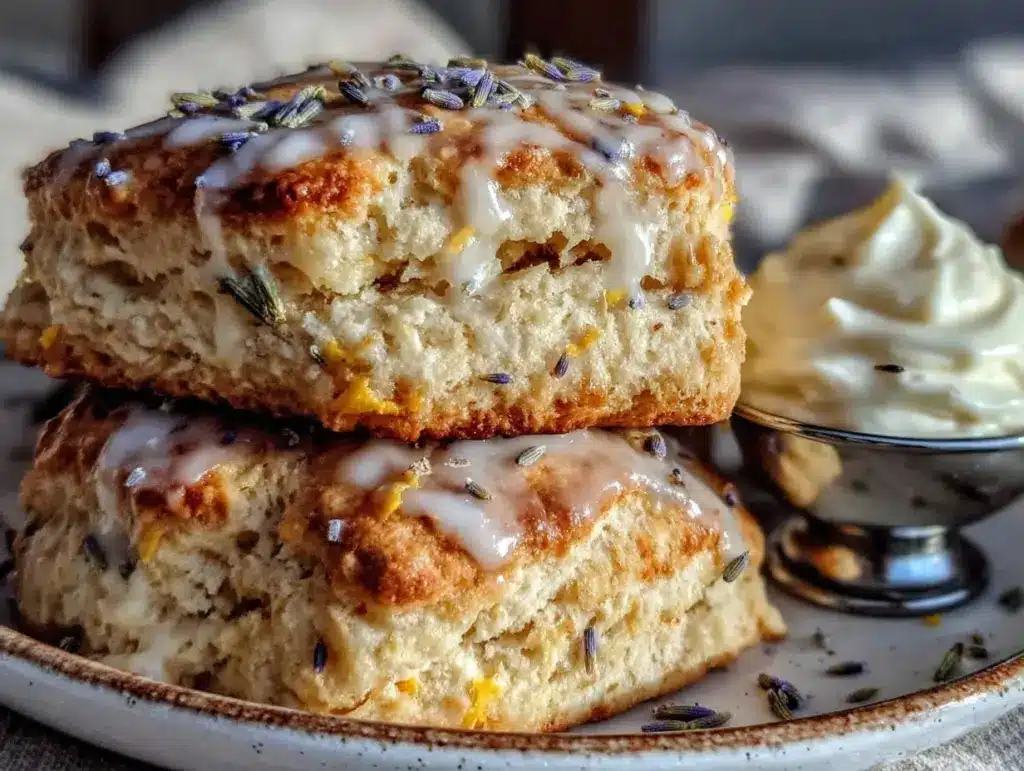
“You won’t believe where I first stumbled upon this scone recipe,” my friend Hazel said one lazy Saturday afternoon. We were crammed into her tiny kitchen, the kind where every counter space bursts with jars of herbs, stacks of well-loved cookbooks, and that faint smell of Earl Grey tea. Hazel had found these fluffy lemon lavender scones scribbled on the back of a vintage postcard tucked inside an old cookbook she bought at a flea market. Honestly, it seemed like a recipe waiting to be rediscovered, like a secret whispered from a gentler time.
That day, as the oven timer ticked and the house filled with the subtle fragrance of lemon zest mingling with the delicate floral notes of lavender, I realized these scones weren’t just any scones. They were the kind that make you pause, close your eyes, and smile with the first bite. Maybe you’ve been there—searching for a teatime treat that’s both comforting and sophisticated, with that perfect crumbly softness that melts in your mouth. These lemon lavender scones do exactly that.
There was one hilarious moment when Hazel forgot the sugar until halfway through mixing, and we had to quickly sprinkle some on top before baking—but that little slip only made them feel more homemade, more real. This recipe has stuck with me ever since, not just for the taste, but for the way it turns an ordinary afternoon into a small celebration. So, if you’re ready for a scone that’s fluffy, fragrant, and paired beautifully with clotted cream, you’re in the right place.
Why You’ll Love This Recipe
This fluffy lemon lavender scones recipe is honestly one of those kitchen wins that feel both fancy and doable—no chef’s hat required. I’ve tested this recipe countless times, tweaking the balance between the citrus zing and floral lavender until it felt just right. The clotted cream on the side? Pure indulgence without being over-the-top.
- Quick & Easy: Ready in under 45 minutes, perfect for last-minute tea time plans or weekend brunches.
- Simple Ingredients: Mostly pantry staples with a handful of fresh additions—nothing complicated or exotic.
- Perfect for Tea Time: Whether it’s a casual get-together or a special afternoon treat, these scones impress without the fuss.
- Crowd-Pleaser: Lavender can be tricky, but here it’s balanced so well that even lavender skeptics have come back for seconds.
- Unbelievably Delicious: The texture is tender and airy, with just the right crumbly bite paired with the rich clotted cream.
What makes this recipe stand out is the gentle folding technique I use to keep the dough light, plus the zest of lemon that cuts through the creaminess without overpowering that subtle lavender aroma. Honestly, it’s a delicate dance of flavors and textures that you won’t find in your typical scone recipe. It’s the kind of treat that makes you want to slow down, sip your tea, and savor the moment.
What Ingredients You Will Need
This recipe uses simple, wholesome ingredients to deliver bold flavor and satisfying texture without the fuss. Most are staples you probably already have, with just a few fresh or specialty touches to make these scones special.
- All-purpose flour – 2 ½ cups (315 grams), the base for our tender crumb
- Baking powder – 1 tablespoon, for the perfect rise
- Granulated sugar – ¼ cup (50 grams), for subtle sweetness
- Salt – ½ teaspoon, to balance flavors
- Unsalted butter – ½ cup (113 grams), cold and cubed (I recommend Plugrá or Kerrygold for richness)
- Heavy cream – ¾ cup (180 ml), plus extra for brushing
- Large egg – 1, beaten, to enrich the dough
- Fresh lemon zest – from 1 large lemon (about 1 tablespoon), adds bright citrus notes
- Lavender buds – 1 tablespoon, culinary grade (look for organic dried buds to avoid bitterness)
- Vanilla extract – 1 teaspoon, for subtle warmth
- Clotted cream – for serving, optional but highly recommended
Ingredient tips: If you don’t have heavy cream, full-fat sour cream or Greek yogurt can work as substitutes, but the texture may be slightly less fluffy. For a dairy-free version, swap butter with coconut oil and use a plant-based cream alternative. When it comes to lavender, less is more—you want a gentle floral hint, not overpowering perfume.
Equipment Needed
- Mixing bowls: One large for dry ingredients and another for wet ingredients.
- Pastry cutter or two forks: To cut cold butter into the flour, keeping the dough flaky.
- Baking sheet: Lined with parchment paper or a silicone mat for easy cleanup.
- Measuring cups and spoons: For precise ingredient measurements.
- Zester or fine grater: To get that fresh lemon zest just right.
- Whisk: For mixing wet ingredients smoothly.
If you don’t have a pastry cutter, no worries—I’ve often used two forks or even my fingers, but be quick to avoid warming the butter. A bench scraper can help cut and shape the dough neatly, but a sharp knife works fine too. For budget-friendly baking sheets, a well-used aluminum pan does the trick perfectly. Keeping your butter cold is key, so if your kitchen is warm, pop the bowl in the fridge between steps.
Preparation Method
- Preheat your oven to 400°F (200°C). Line a baking sheet with parchment paper or a silicone baking mat.
- Mix dry ingredients: In a large bowl, whisk together 2 ½ cups (315g) all-purpose flour, 1 tablespoon baking powder, ¼ cup (50g) sugar, and ½ teaspoon salt. This ensures even distribution and a light crumb.
- Cut in the butter: Add ½ cup (113g) cold, cubed unsalted butter to the dry mix. Using a pastry cutter or two forks, quickly cut the butter until the mixture resembles coarse crumbs with pea-sized bits. It should look like sandy gravel with some buttery lumps visible. If it gets too warm or greasy, pop it in the fridge for 5 minutes.
- Add lemon zest and lavender: Stir in 1 tablespoon fresh lemon zest and 1 tablespoon culinary lavender buds gently into the butter-flour mix. Be careful not to crush the lavender too much to avoid bitterness.
- Combine wet ingredients: In a separate bowl, whisk ¾ cup (180 ml) heavy cream, 1 beaten large egg, and 1 teaspoon vanilla extract until smooth.
- Bring it all together: Pour the wet ingredients into the dry mixture. Using a spatula or your hands, fold gently until just combined—the dough will be sticky but should hold together when pressed. Don’t overmix; overworking the dough makes scones tough.
- Shape the dough: Turn the dough onto a lightly floured surface. With floured hands, pat it into a 7-inch (18 cm) circle about 1 inch (2.5 cm) thick. Don’t knead; just shape gently. Use a sharp knife or bench scraper to cut into 8 equal wedges.
- Prepare for baking: Transfer wedges to the baking sheet, spacing them about 2 inches (5 cm) apart. Brush tops lightly with a splash of heavy cream for a golden finish. If you forgot sugar like we did once, a quick sprinkle on top adds a delightful crunch.
- Bake: Place in the preheated oven and bake for 18-22 minutes, or until golden brown and a toothpick inserted comes out clean. The kitchen will fill with that wonderful lemon-lavender scent—almost irresistible.
- Cool and serve: Let scones cool on the pan for 5 minutes before transferring to a wire rack. Serve warm or at room temperature with clotted cream and your favorite jam.
Pro tip: If the scones brown too fast, loosely tent with foil halfway through baking. You want them golden, not burnt. Also, handle lavender sparingly to avoid an overpowering floral taste. The first time I made these, I added too much and learned that less truly is more!
Cooking Tips & Techniques
Fluffy lemon lavender scones depend on a few key techniques that I’ve picked up after many attempts (including some crumbly disasters, I won’t lie!).
- Keep everything cold: Butter and cream chilled, flour at room temp. Cold butter creates steam during baking which makes scones fluffy and flaky.
- Don’t overmix: Stir until just combined. Overworking activates gluten and makes scones dense. I usually stop mixing when I see no dry flour patches.
- Use fresh lemon zest: Zest adds lively citrus notes. Avoid the white pith beneath the peel—it’s bitter.
- Measure flour correctly: Spoon flour into your measuring cup and level it off; don’t scoop directly from the bag to avoid packing too much flour in.
- Watch baking time: 18-22 minutes is a range depending on your oven. Scones should be golden but not dark brown.
- Multitask wisely: While the oven preheats, prep your wet ingredients to save time and keep butter cold.
One time, I rushed and used room-temp butter—let’s just say those scones were more biscuit than fluffy treat. Since then, I keep butter in the freezer until the last second. Trust me, it’s worth the chill!
Variations & Adaptations
- Gluten-Free Version: Substitute all-purpose flour with a 1:1 gluten-free baking flour blend. Add 1 teaspoon xanthan gum if your blend lacks it to improve texture.
- Honey Lavender Scones: Swap granulated sugar for 3 tablespoons honey for a floral sweetness that pairs beautifully with lavender.
- Blueberry Lemon Lavender: Gently fold in ½ cup fresh or frozen blueberries into the dough before shaping for a fruity twist.
You can also bake these scones as mini rounds or drop biscuits for quicker baking. For a dairy-free option, use coconut cream and vegan butter substitutes—though the texture will be slightly different but still delightful.
Personally, I once tried adding a sprinkle of finely chopped pistachios on top before baking. It added a lovely crunch and nutty flavor that surprised my guests!
Serving & Storage Suggestions
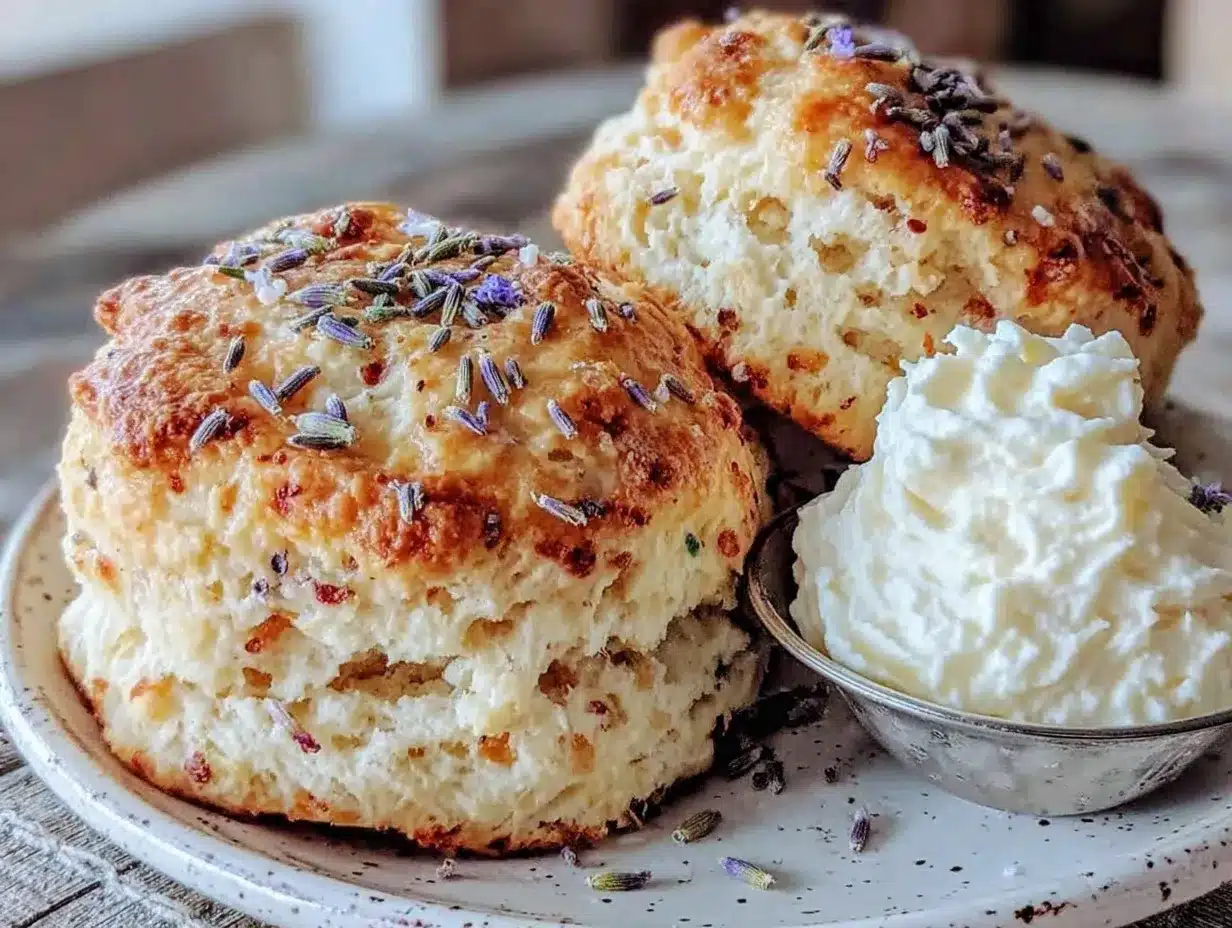
Serve these lemon lavender scones warm or at room temperature for the best experience. A generous dollop of clotted cream alongside tangy strawberry or apricot jam makes for an irresistible combo—classic yet comforting.
They pair wonderfully with a cup of strong black tea, like English Breakfast or Earl Grey, which complements the floral and citrus notes perfectly. For an afternoon garden party, a chilled glass of sparkling lemonade also works beautifully.
To store, place cooled scones in an airtight container at room temperature for up to 2 days. For longer storage, wrap each scone in plastic wrap and freeze in a zip-top bag for up to 3 months. Reheat frozen scones in a 350°F (175°C) oven for 10-12 minutes wrapped lightly in foil to preserve moisture.
Reheating brings back their fluffy texture and revives the lovely lemon-lavender aroma. Over time, the flavors actually meld and deepen, so leftovers can be even better the next day if you manage to save any!
Nutritional Information & Benefits
Each scone (without clotted cream) contains approximately:
| Calories | 260 |
|---|---|
| Fat | 15g |
| Carbohydrates | 27g |
| Protein | 4g |
| Sugar | 7g |
Lemon zest adds vitamin C and antioxidants, while lavender is known for its calming properties—making this more than just a tasty indulgence. Using unsalted butter and controlling sugar levels helps keep it balanced.
This recipe is gluten-containing but easy to adapt for gluten sensitivities with alternative flours. It’s not low-carb but offers a satisfying treat that fits well into a balanced diet when enjoyed in moderation.
From a wellness perspective, the gentle aroma of lavender can promote relaxation, which makes these scones a lovely way to slow down and savor a mindful moment.
Conclusion
If you’re seeking a tea time treat that’s fluffy, fragrant, and a little bit fancy without fuss, these lemon lavender scones with clotted cream are a wonderful choice. They bring a touch of elegance and a whole lot of deliciousness to any afternoon.
Feel free to tweak the lavender amount or swap citrus fruits to suit your taste—this recipe loves a little personalization. Honestly, the joy is in the baking and sharing, whether it’s a quiet solo treat or a lively gathering.
I love these scones because they remind me of slow afternoons, good company, and that perfect balance between floral and citrusy that’s just so satisfying. Give them a try, and please come back to share your own twists or stories—I’m always excited to hear how you make this recipe your own.
Happy baking, and here’s to many delightful teatime moments ahead!
FAQs
Can I make these scones ahead of time?
Yes! You can prepare the dough, shape the scones, and freeze them unbaked. When ready, bake directly from frozen, adding a couple of extra minutes to the baking time.
What if I don’t have clotted cream?
Clotted cream is traditional, but you can substitute with whipped cream, mascarpone, or even softened cream cheese for a similar rich texture.
How do I prevent the lavender from tasting bitter?
Use culinary-grade lavender and add it sparingly. Crushing the buds too much releases bitterness, so fold them gently into the dough.
Can I use lemon extract instead of fresh zest?
Fresh lemon zest provides the best bright, natural flavor, but if you must, use about ¼ teaspoon lemon extract. Be careful not to overpower the lavender.
Are these scones better served warm or cold?
They’re best warm or at room temperature. Warming brings out the fluffy texture and aroma, especially when paired with clotted cream or jam.
Pin This Recipe!

Fluffy Lemon Lavender Scones

These fluffy lemon lavender scones are a perfect tea time treat with a tender crumb, bright citrus notes, and a delicate floral aroma. They are easy to make and pair beautifully with clotted cream.
- Prep Time: 15 minutes
- Cook Time: 20 minutes
- Total Time: 35 minutes
- Yield: 8 scones 1x
- Category: Tea Time Treat
- Cuisine: British
Ingredients
- 2 ½ cups (315 grams) all-purpose flour
- 1 tablespoon baking powder
- ¼ cup (50 grams) granulated sugar
- ½ teaspoon salt
- ½ cup (113 grams) unsalted butter, cold and cubed
- ¾ cup (180 ml) heavy cream, plus extra for brushing
- 1 large egg, beaten
- 1 tablespoon fresh lemon zest (from 1 large lemon)
- 1 tablespoon culinary grade lavender buds
- 1 teaspoon vanilla extract
- Clotted cream for serving (optional)
Instructions
- Preheat your oven to 400°F (200°C). Line a baking sheet with parchment paper or a silicone baking mat.
- In a large bowl, whisk together the flour, baking powder, sugar, and salt.
- Add the cold, cubed butter to the dry ingredients. Use a pastry cutter or two forks to cut the butter into the flour until the mixture resembles coarse crumbs with pea-sized bits.
- Stir in the lemon zest and lavender buds gently into the butter-flour mixture.
- In a separate bowl, whisk together the heavy cream, beaten egg, and vanilla extract until smooth.
- Pour the wet ingredients into the dry mixture. Fold gently with a spatula or hands until just combined; the dough will be sticky but should hold together when pressed. Do not overmix.
- Turn the dough onto a lightly floured surface. Pat into a 7-inch (18 cm) circle about 1 inch (2.5 cm) thick. Cut into 8 equal wedges using a sharp knife or bench scraper.
- Transfer the wedges to the prepared baking sheet, spacing about 2 inches (5 cm) apart. Brush the tops lightly with heavy cream. Optionally, sprinkle sugar on top for crunch.
- Bake for 18-22 minutes or until golden brown and a toothpick inserted comes out clean.
- Let the scones cool on the pan for 5 minutes before transferring to a wire rack. Serve warm or at room temperature with clotted cream and jam.
Notes
Keep butter and cream cold to ensure fluffy, flaky scones. Do not overmix the dough to avoid toughness. Use culinary-grade lavender and fold gently to prevent bitterness. If scones brown too fast, tent with foil halfway through baking.
Nutrition
- Serving Size: 1 scone
- Calories: 260
- Sugar: 7
- Fat: 15
- Carbohydrates: 27
- Protein: 4
Keywords: lemon scones, lavender scones, fluffy scones, teatime treats, easy scones, lemon lavender recipe