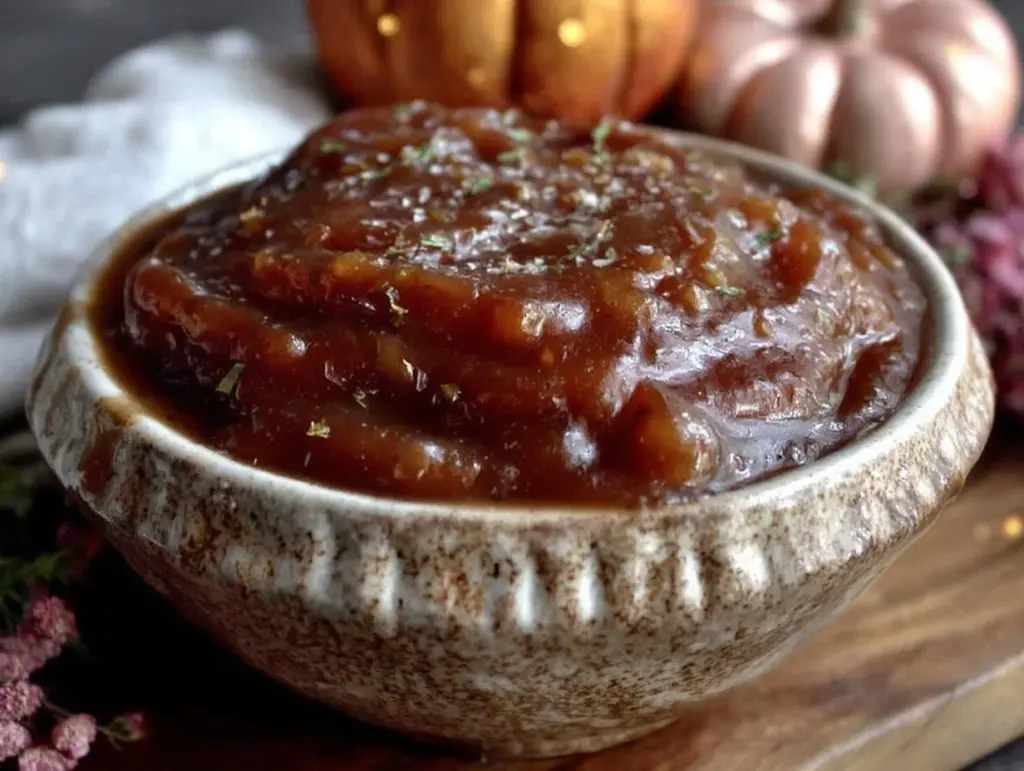
Let me tell you, the scent of rich turkey drippings sizzling gently in the pan, mingling with a swirl of butter and a dash of seasoning, wafting from my stovetop is enough to make anyone’s mouth water. The first time I made this classic turkey gravy from drippings, I was instantly hooked—the kind of moment where you pause, take a deep breath, and just smile because you know you’re onto something truly special. Years ago, when I was knee-high to a grasshopper, my grandma would make this gravy on chilly Thanksgiving afternoons, and the whole house smelled like pure, nostalgic comfort.
I stumbled upon this recipe on a rainy weekend when I had leftover turkey and was determined to recreate that luscious gravy from my childhood. Honestly, I wish I’d discovered this technique years ago. My family couldn’t stop sneaking spoonfuls off the side of the pan as it cooled (and I can’t really blame them). Let’s face it, this turkey gravy is dangerously easy to make, perfect for potlucks, a sweet treat for your kids, or to brighten up your Pinterest cookie board with something savory and classic.
After testing it multiple times in the name of research, of course, it has become a staple for family gatherings and gifting. This gravy feels like a warm hug on a plate, and you’re going to want to bookmark this one for every holiday and cozy dinner night.
Why You’ll Love This Recipe
When it comes to a turkey gravy recipe, this one stands out because it’s as close to homemade perfection as you can get. With years of cooking experience and a few family secrets tucked in, here’s why this recipe will win your heart:
- Quick & Easy: Comes together in under 30 minutes, perfect for busy weeknights or last-minute holiday feasts.
- Simple Ingredients: No fancy grocery trips needed; you likely already have everything in your kitchen.
- Perfect for Thanksgiving and Beyond: Ideal for holiday dinners, Sunday roasts, or any time you want that cozy, comforting flavor.
- Crowd-Pleaser: Always gets rave reviews from kids and adults alike — seriously, it’s a gravy everyone asks for seconds of.
- Unbelievably Delicious: The texture and flavor combo is next-level comfort food, with that rich, silky mouthfeel only drippings can deliver.
What makes this turkey gravy recipe different? It’s all about using the pan drippings straight from roasting your bird, blended with a perfectly balanced roux that thickens just right without lumps. The secret touch is a splash of homemade stock or broth and a pinch of fresh herbs, creating a depth of flavor that’s hard to beat. This isn’t just another jarred gravy—it’s the best homemade version that tastes like it took hours, but really, it’s simple and satisfying.
This recipe isn’t just good—it’s the kind that makes you close your eyes after the first bite and smile. It’s comfort food reimagined—traditional, hearty, but easy enough for any home cook to master. Plus, it’s perfect for impressing guests without stress or turning a simple meal into something memorable.
What Ingredients You Will Need
This recipe uses simple, wholesome ingredients to deliver bold flavor and satisfying texture without the fuss. Most of these are pantry staples, and the star is definitely the turkey drippings collected right from your roasting pan.
- Turkey drippings: The essence of flavor, collected from the roasting pan after cooking your turkey (about 1/2 to 3/4 cup).
- Unsalted butter: 2-3 tablespoons, softened (adds richness and helps create the roux).
- All-purpose flour: 3 tablespoons (for thickening; you can also use cornstarch for a gluten-free option).
- Turkey or chicken stock/broth: 2 cups, preferably low sodium (I recommend Swanson for best flavor).
- Salt and freshly ground black pepper: to taste (season gradually for balanced flavor).
- Fresh herbs: A small sprig of thyme or a pinch of fresh sage (optional but adds a lovely aroma).
- Onion powder or finely minced shallots: 1/2 teaspoon or 1 tablespoon respectively (optional, for a subtle depth).
For substitutions, if you’re aiming for a dairy-free gravy, swap butter with olive oil or a vegan margarine. For a richer gravy, a splash of heavy cream or half-and-half stirred in at the end works wonders. If turkey drippings are sparse, supplement with a bit more stock and a teaspoon of soy sauce or Worcestershire sauce for umami boost.
Equipment Needed
- Roasting pan: To catch those precious turkey drippings during roasting.
- Small saucepan or skillet: For making the gravy over medium heat.
- Whisk: Essential to keep your gravy smooth and lump-free while stirring.
- Measuring spoons and cups: For precise ingredient quantities.
- Strainer or fine mesh sieve: Optional but recommended to remove bits of cooked herbs or solids for a silky texture.
If you don’t have a whisk handy, a fork can work in a pinch, but whisking ensures a smoother mix. For budget-friendly options, any small saucepan will do, and you can use a spoon to stir, though you’ll want to be extra careful about lumps. Keeping your whisk clean and dry before starting helps the roux come together without clumps.
Preparation Method
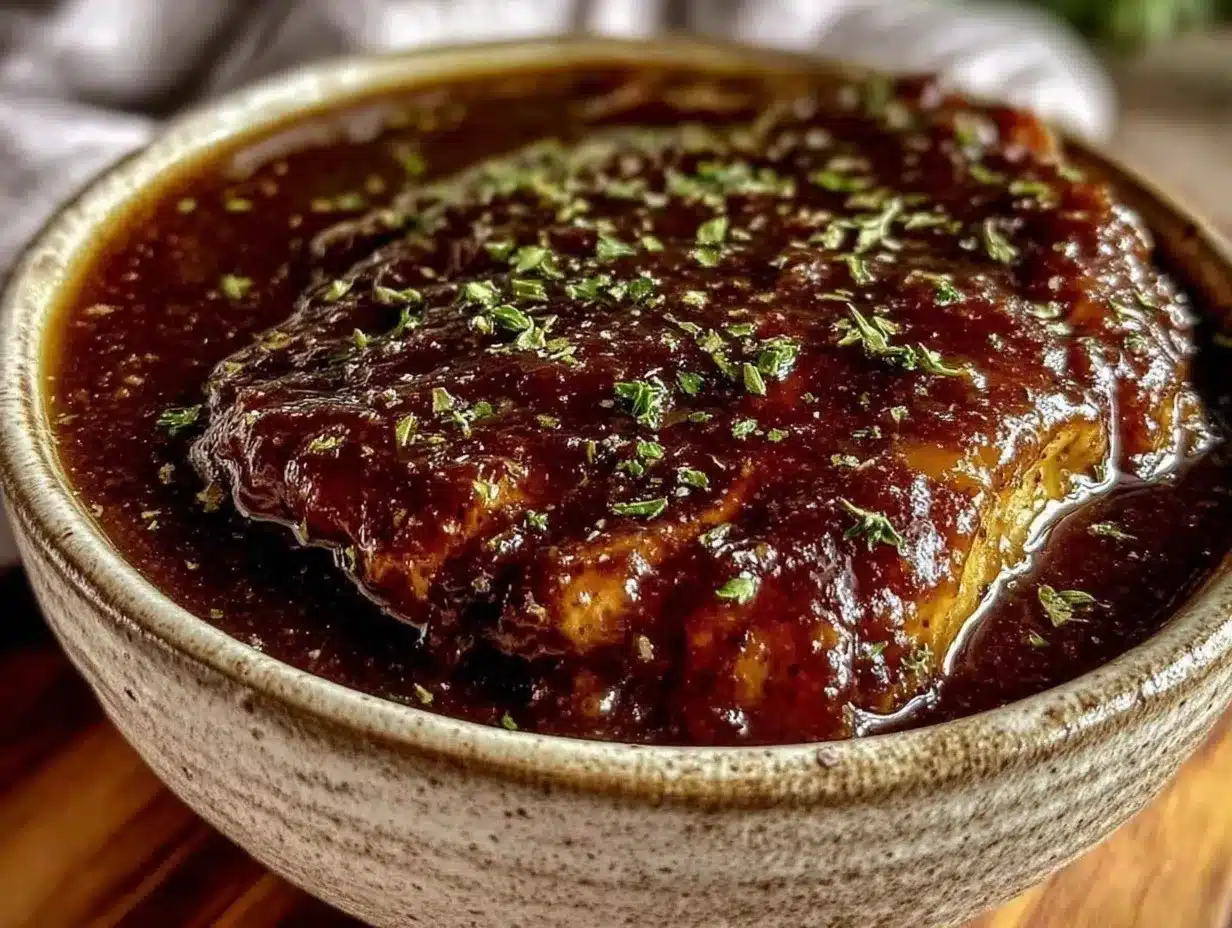
- Collect the drippings: After roasting your turkey, carefully pour the drippings into a measuring cup. Let it sit for a few minutes to allow the fat to rise (about 5-10 minutes). Skim off about 1/4 cup of fat to use for the roux. You want roughly 1/4 cup fat—if you have less, add butter to make up the difference.
- Make the roux: In a medium saucepan over medium heat, melt the fat (turkey fat plus butter if needed). Once melted, sprinkle in the flour and whisk constantly for 2-3 minutes until it turns a golden tan color and smells nutty. This step is crucial—don’t rush, or your gravy might taste floury.
- Add stock gradually: Slowly pour in the turkey or chicken stock, whisking constantly to keep the mixture smooth. Bring to a gentle simmer and cook for 5-7 minutes. The gravy will begin to thicken; if it’s too thick, add more stock a little at a time.
- Season and flavor: Stir in salt, pepper, and onion powder or minced shallots if using. Add fresh thyme or sage for that classic aroma. Let the gravy simmer for another 3 minutes to meld flavors.
- Strain (optional): For an ultra-smooth gravy, strain through a fine mesh sieve into a serving bowl. This step removes any lumps or herb stems.
- Final touches: Taste and adjust seasoning. If you want a richer gravy, stir in a splash (1-2 tablespoons) of cream or half-and-half just before serving. Keep warm until ready to pour over your turkey and sides.
Pro tip: If your gravy becomes too thick after resting, whisk in a tablespoon of warm stock or water to loosen it up. If it’s thin, whisk in a bit more flour dissolved in cold water (called a slurry) and simmer a minute longer.
Cooking Tips & Techniques
One of the trickiest parts of making turkey gravy is getting the roux just right. Whisk constantly and keep the heat medium to avoid burning the flour. A burnt roux will give your gravy a bitter taste, so patience here really pays off.
Don’t pour the stock in all at once—adding it slowly while whisking prevents lumps from forming. Trust me, a smooth gravy is worth every extra second of whisking.
One time I accidentally added cold stock directly to hot roux without whisking and ended up with a lumpy mess. Lesson learned: slow and steady wins the gravy race.
Timing also matters. Make the gravy right after your turkey is done and resting, so the drippings are fresh and warm. While the turkey rests, your gravy simmers and thickens perfectly.
For consistency, keep your measuring tools handy and follow the fat-to-flour ratio closely. Too much flour makes it pasty, too little and it won’t thicken properly.
Variations & Adaptations
- Gluten-Free Gravy: Swap all-purpose flour with cornstarch or arrowroot powder. Mix 1 tablespoon with cold water to make a slurry and add it toward the end of cooking to thicken.
- Herb-Infused Gravy: Add fresh rosemary, sage, or tarragon during simmering. Remove herbs before serving to keep flavors bright.
- Make-Ahead Option: Prepare the gravy a day ahead and refrigerate. Reheat gently on the stove, whisking in a splash of stock or water to loosen if needed.
- Dairy-Free Version: Replace butter with olive oil or vegan margarine. Use vegetable stock if avoiding animal products.
- Spicy Twist: Add a pinch of cayenne pepper or a dash of hot sauce for a subtle kick that pairs surprisingly well with turkey.
Personally, I once tried adding a splash of sherry wine near the end for a touch of sweetness and complexity—it was a hit at a family dinner.
Serving & Storage Suggestions
Serve this classic turkey gravy warm, poured generously over carved turkey, mashed potatoes, and stuffing for that ultimate comfort plate. It also pairs beautifully with roasted vegetables and dinner rolls for mopping up every last drop.
For storage, keep gravy in an airtight container in the refrigerator for up to 3 days. When reheating, warm gently over low heat, whisking frequently. If thickened too much, add a little warm stock or water to bring it back to the perfect pourable consistency.
Turkey gravy flavors actually deepen after a day in the fridge, so leftovers are great for sandwiches or as a base for soups.
Nutritional Information & Benefits
This turkey gravy is relatively low in calories compared to cream-based sauces, averaging about 50 calories per 1/4 cup serving (60 ml), depending on fat content. It provides a modest amount of protein from the turkey drippings and some fat for satiety.
Using homemade stock means you’re getting collagen and minerals naturally extracted from bones, which supports joint and gut health. The herbs add antioxidants and subtle anti-inflammatory benefits.
This recipe is naturally gluten-free when using cornstarch and can be made dairy-free easily. Just be mindful of salt levels if watching sodium intake.
Conclusion
This classic comforting traditional turkey gravy from drippings is worth every spoonful. It’s the kind of recipe that feels like home—simple, delicious, and made from scratch with love. You can customize it to your taste or dietary needs and still get that soul-soothing satisfaction that only real gravy brings.
I love this recipe because it connects me to family traditions while being easy enough to whip up on any given night. Give it a try, tweak it your way, and I promise, it’ll become a favorite in your kitchen too.
Don’t forget to leave a comment sharing your own gravy stories or variations, and share this recipe with anyone who loves a good comforting meal. Warm up your next turkey dinner with this homemade classic—you won’t regret it!
FAQs About Classic Turkey Gravy from Drippings
Can I make turkey gravy without drippings?
Yes! Use store-bought or homemade turkey or chicken stock and butter to make the roux. While it won’t have the exact depth of flavor, it’s still delicious and comforting.
How do I prevent lumps in my turkey gravy?
Whisk constantly when adding flour and stock, and add the liquid slowly. Making a smooth roux first helps prevent lumps too.
Can I freeze turkey gravy?
Absolutely! Freeze in airtight containers for up to 3 months. Thaw overnight in the fridge and reheat gently, whisking to restore texture.
What if I don’t have enough drippings?
Add butter to top up the fat amount needed for the roux. You can also boost flavor with a splash of soy sauce or Worcestershire sauce.
Is turkey gravy gluten-free?
Traditional recipes use flour, which contains gluten. Substitute cornstarch or arrowroot powder to make it gluten-free.
Pin This Recipe!

Classic Turkey Gravy Recipe Easy Homemade Traditional Gravy from Drippings
A rich and comforting homemade turkey gravy made from pan drippings, perfect for Thanksgiving and cozy dinners. This easy recipe delivers smooth, flavorful gravy with simple ingredients and traditional techniques.
- Prep Time: 10 minutes
- Cook Time: 15 minutes
- Total Time: 25 minutes
- Yield: 6 servings 1x
- Category: Sauce
- Cuisine: American
Ingredients
- 1/2 to 3/4 cup turkey drippings (collected from roasting pan)
- 2–3 tablespoons unsalted butter, softened
- 3 tablespoons all-purpose flour (or cornstarch for gluten-free option)
- 2 cups turkey or chicken stock/broth, preferably low sodium
- Salt, to taste
- Freshly ground black pepper, to taste
- A small sprig of fresh thyme or a pinch of fresh sage (optional)
- 1/2 teaspoon onion powder or 1 tablespoon finely minced shallots (optional)
Instructions
- Collect the drippings: After roasting your turkey, carefully pour the drippings into a measuring cup. Let it sit for 5-10 minutes to allow the fat to rise. Skim off about 1/4 cup of fat to use for the roux. If you have less, add butter to make up the difference.
- Make the roux: In a medium saucepan over medium heat, melt the fat (turkey fat plus butter if needed). Once melted, sprinkle in the flour and whisk constantly for 2-3 minutes until it turns a golden tan color and smells nutty.
- Add stock gradually: Slowly pour in the turkey or chicken stock, whisking constantly to keep the mixture smooth. Bring to a gentle simmer and cook for 5-7 minutes until the gravy thickens. Add more stock if too thick.
- Season and flavor: Stir in salt, pepper, and onion powder or minced shallots if using. Add fresh thyme or sage. Let simmer for another 3 minutes to meld flavors.
- Strain (optional): For an ultra-smooth gravy, strain through a fine mesh sieve into a serving bowl to remove lumps or herb stems.
- Final touches: Taste and adjust seasoning. For richer gravy, stir in 1-2 tablespoons of cream or half-and-half just before serving. Keep warm until ready to serve.
Notes
If gravy becomes too thick after resting, whisk in a tablespoon of warm stock or water to loosen. If too thin, whisk in a slurry of flour and cold water and simmer a minute longer. For dairy-free, substitute butter with olive oil or vegan margarine. For gluten-free, use cornstarch or arrowroot powder instead of flour.
Nutrition
- Serving Size: 1/4 cup (60 ml)
- Calories: 50
- Sodium: 150
- Fat: 4
- Saturated Fat: 1.5
- Carbohydrates: 3
- Protein: 1
Keywords: turkey gravy, homemade gravy, Thanksgiving gravy, turkey drippings, easy gravy recipe, traditional gravy, gluten-free gravy option