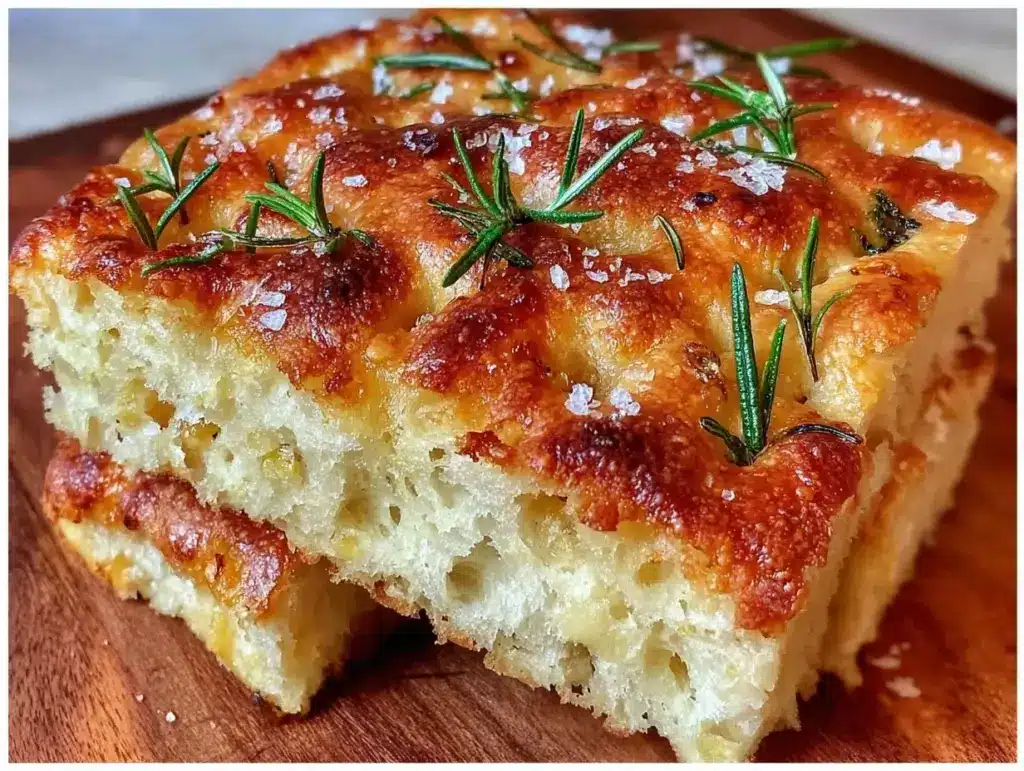
The last piece of focaccia was snatched up before anyone could even reach for seconds. Third time this month that’s happened. I remember sitting back, a little surprised, watching crumbs vanish with barely a word—and then the texts started coming in: “Can you send me the recipe?” It wasn’t planned to be a showstopper. Honestly, it began as a way to use up my sourdough discard, the bit of starter that usually gets tossed or fed to the plants. But somehow, this crispy sourdough discard focaccia with rosemary & sea salt found its way into hearts (and stomachs) without much effort.
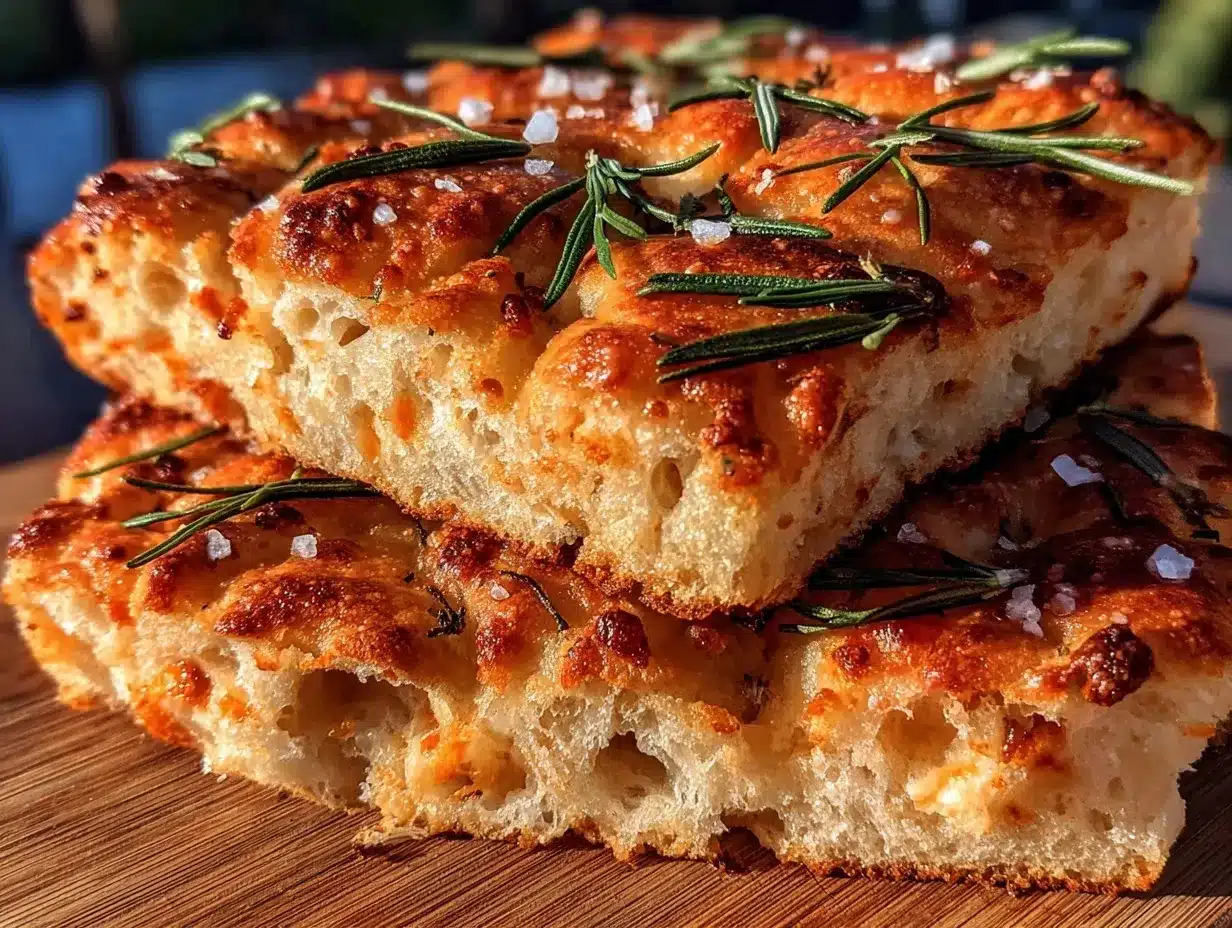
The aroma of olive oil mingled with fresh rosemary filled the kitchen, thick and inviting, moments before I pulled the focaccia from the oven. That crispy golden crust crackled under fingers, while the inside stayed tender and airy—exactly what I was chasing. I never imagined a humble bread made from something I’d normally throw away would cause such a fuss.
It’s funny how sometimes the best recipes come from what you almost don’t want to do—like using discard that’s just hanging around. What’s stuck with me is how this focaccia brings people together, the way it disappears at gatherings, and how it pairs so effortlessly with just about anything on the table. That crunchy, salty edge with the piney bite of rosemary feels like comfort and sophistication rolled into one.
So, if you have sourdough starter that’s begging for purpose, or you’re just looking for a crispy, flavorful bread that’s a little different from your usual, this focaccia might just become your quiet kitchen hero too.
Why You’ll Love This Recipe
This crispy sourdough discard focaccia with rosemary & sea salt isn’t your everyday bread. I’ve tested it countless times—sometimes with more discard, sometimes less—and it always delivers that perfect balance of crunch and chew. Here’s why it stands out:
- Quick & Easy: It comes together in about 3 hours including rising time, way faster than traditional sourdough breads that take all day or longer.
- Simple Ingredients: You don’t need a fancy pantry. Olive oil, rosemary, sea salt, a pinch of sugar, and your sourdough discard are the stars.
- Perfect for Any Occasion: Whether it’s a casual weeknight dinner or a weekend gathering, the focaccia fits right in. It’s also fantastic alongside dishes like the creamy chicken alfredo pasta or even a smoky crispy air fryer chicken thigh.
- Crowd-Pleaser: Kids and adults both can’t seem to get enough. The crispy edges and herby notes make it irresistible.
- Unbelievably Delicious: The magic lies in the way the sourdough discard adds depth, and the olive oil pools in the dimples create that signature richness.
- Unique Twist: Instead of wasting sourdough discard, this recipe transforms it into something worth bragging about—crispy, flavorful, and surprisingly easy.
This focaccia isn’t just bread; it’s a little bit of magic from what you thought was waste. It’s the kind of recipe that quietly wins over anyone who tries it, and honestly, that’s why it’s stuck around in my rotation.
What Ingredients You Will Need
This recipe uses simple, wholesome ingredients that work together to create a focaccia with bold flavor and a satisfyingly crispy texture—no fuss, just good bread. Most of these are pantry staples, and the sourdough discard is something many home bakers already have on hand.
- Sourdough discard (about 1 cup / 240 ml, active or not)—the base of the dough, adding tang and depth
- All-purpose flour (3 cups / 360 g)—for structure; I prefer King Arthur for consistent results
- Warm water (1 cup / 240 ml)—helps activate the yeast and hydrate the dough
- Active dry yeast (1 tsp / 3 g)—gives the dough a little extra lift since discard alone can be unpredictable
- Olive oil (1/4 cup / 60 ml + more for drizzling)—for richness and that signature golden crust; use good quality extra virgin for flavor
- Fine sea salt (1 tsp / 5 g)—balances flavor throughout the dough
- Fresh rosemary (2 tbsp, chopped)—adds a fragrant, piney note that pairs perfectly with the salt
- Coarse sea salt flakes (for sprinkling)—gives that satisfying crunch and salty pop on top
- Sugar (1 tsp / 4 g)—feeds the yeast for better rise and browning
If you want to swap flour, unbleached bread flour also works well for a chewier texture. For a gluten-free twist, try almond or oat flour but expect a different crumb. Don’t skip the olive oil—it’s what brings the focaccia to life.
Equipment Needed
You don’t need much to make this focaccia, but a few tools will help you get the best results.
- Mixing bowl: A large bowl for combining the dough. Glass or stainless steel works well.
- Dough scraper or spatula: Useful for handling sticky dough without too much mess.
- Loaf pan or baking sheet: I prefer a 9×13-inch (23×33 cm) pan to keep the focaccia thick and airy, but a rimmed baking sheet works too for a thinner crust.
- Kitchen towel or plastic wrap: To cover the dough during rising to keep it moist.
- Fine grater or herb scissors: For chopping fresh rosemary finely.
- Oven: Preheated to 425°F (220°C) for a crispy crust.
If you don’t have a dough scraper, a sturdy spatula or even your hands will do the trick. For baking, a heavy pan helps crisp the bottom. If you’re into bread baking, a cast iron skillet is a great option and heats evenly for a nice crust.
Preparation Method
- Activate the yeast: In a small bowl, combine 1 cup (240 ml) warm water (around 105°F/40°C), 1 tsp (3 g) active dry yeast, and 1 tsp (4 g) sugar. Stir gently and let it sit for 5–10 minutes until foamy. If it doesn’t foam, your yeast might be old or water too hot/cold.
- Mix the dough: In a large mixing bowl, combine 3 cups (360 g) all-purpose flour, 1 cup (240 ml) sourdough discard, 1 tsp (5 g) fine sea salt, and the activated yeast mixture. Stir with a wooden spoon or dough scraper until it forms a shaggy dough.
- Knead (briefly): Dust a clean surface with flour and knead the dough for about 5 minutes until smooth but still slightly sticky. You want some elasticity without overworking it.
- First rise: Lightly oil the mixing bowl, place the dough inside, and cover with a damp towel or plastic wrap. Let it rise in a warm spot for 1 to 1.5 hours or until doubled in size. You should see bubbles forming at the surface.
- Prepare the pan: Drizzle 2 tbsp (30 ml) olive oil into your 9×13-inch (23×33 cm) pan, spreading it evenly. This helps the focaccia develop a crispy, golden crust.
- Shape the dough: Transfer the dough into the oiled pan and gently press it out with your fingers to fill the pan evenly. Don’t worry if it resists a bit; let it rest 10 minutes and then stretch again if needed.
- Second rise: Cover loosely with a towel and let it rise for another 30–45 minutes until puffy but not quite doubled.
- Add toppings: Using your fingertips, press deep dimples all over the dough’s surface. Drizzle 2 tbsp (30 ml) olive oil over the top, sprinkle chopped fresh rosemary evenly, then finish with a generous pinch of coarse sea salt flakes.
- Bake: Place the pan in a preheated oven at 425°F (220°C) for 20–25 minutes. You want the crust to be deeply golden and crispy but not burnt. The edges should crackle when you press them lightly.
- Cool & serve: Remove from oven and let the focaccia cool in the pan for 10 minutes before slicing. This resting time lets the crumb set and the flavors settle.
If the dough feels too sticky at any point, dust your hands lightly with flour, but avoid adding too much—it will change the texture. The dimples trap olive oil, so don’t skip pressing them in. They’re key for that rich, crispy top.
Cooking Tips & Techniques
For that perfect crispy sourdough discard focaccia, here’s what I’ve learned from trial and error over several batches:
- Don’t rush the rises. The first and second rises develop flavor and texture. If your kitchen is cold, find a warm spot near the stove or in your oven with just the light on.
- Use plenty of olive oil. It might feel like a lot, but it’s what keeps the crust crispy and delicious. Drizzle it generously before baking and after dimpling.
- Press your dimples deep. They aren’t just decoration—they’re pockets that hold oil and rosemary, creating those signature crispy bits.
- Watch your oven temperature. Too hot and it burns before cooking through; too cool and you lose the crispness. A steady 425°F (220°C) works best in my experience.
- Experiment with coarse sea salt. Flaky Maldon or fleur de sel add a subtle crunch and pop of flavor that regular table salt can’t match.
- Avoid over-flouring your dough. It’s sticky, but that’s good. Too much flour makes the focaccia dense and dry.
- For extra crispiness, finish with a quick broil. Just 1-2 minutes under the broiler after baking can add a beautiful golden crust, but watch closely so it doesn’t burn.
One mistake I made early on was skipping the second rise. The focaccia came out flat and chewy, not airy and light. Patience truly pays off with this bread.
Variations & Adaptations
This recipe is a great canvas for different flavors and dietary tweaks. Here are some ideas I’ve tried or thought through:
- Herb variations: Swap rosemary for thyme, sage, or a mix of Italian herbs for a different aroma.
- Cheese topping: Sprinkle grated Parmesan or crumbled feta on top just before baking for an extra savory touch.
- Garlic infusion: Add thinly sliced garlic cloves into the dimples or brush the baked focaccia with garlic-infused olive oil.
- Gluten-free option: Use a gluten-free flour blend and xanthan gum, though texture will differ significantly.
- Olive and sun-dried tomato: Press chopped olives and sun-dried tomatoes into the dough for a Mediterranean twist.
For cooking method swaps, this focaccia can be baked on a pizza stone or cast iron skillet for a crisper bottom crust. I once made a smaller version in a cast iron skillet and it had the crispiest edges imaginable. Just adjust the baking time slightly.
Serving & Storage Suggestions
This focaccia is best served warm or at room temperature. Right out of the oven, the crust is crispy and the crumb tender, making it perfect for dipping in olive oil or alongside hearty mains.
- Serving ideas: Pair with olive tapenade, charcuterie, or creamy soups. It’s also the perfect bread for sandwiches or alongside a fresh salad like a zesty Greek orzo salad.
- Storage: Wrap leftovers in plastic wrap or keep in an airtight container at room temperature for up to 2 days.
- Freezing: Slice and freeze in a zip-top bag. Toast gently from frozen to refresh the crispiness.
- Reheating: Reheat in a 350°F (175°C) oven for 5–7 minutes or toast slices to crisp the crust back up.
Flavors deepen after a day, especially the rosemary and olive oil notes, making it even tastier the next day. Just don’t expect it to last long!
Nutritional Information & Benefits
This crispy sourdough discard focaccia provides moderate calories mainly from carbohydrates and healthy fats, making it a satisfying accompaniment rather than a heavy meal.
| Nutrient | Per Serving (1/8 loaf) |
|---|---|
| Calories | 200 kcal |
| Carbohydrates | 28 g |
| Fat | 7 g |
| Protein | 5 g |
| Fiber | 1.5 g |
Thanks to the olive oil, the focaccia contains heart-healthy monounsaturated fats. The rosemary adds antioxidants and subtle anti-inflammatory benefits. Using sourdough discard means some natural fermentation, which can aid digestion compared to regular bread.
Keep in mind it contains gluten and yeast, so it’s not suitable for those with celiac disease or yeast sensitivities.
Conclusion
This crispy sourdough discard focaccia with rosemary & sea salt has quietly become one of my favorite ways to use starter discard. It’s simple, forgiving, and has that kind of crunch and flavor that people remember—not to mention it’s surprisingly easy to make.
Whether you’re baking it for a casual dinner or to impress friends with a homemade touch, this focaccia is a comforting, delicious choice. I love that it turns what could be wasted into something everyone asks for again and again.
Give it a try, tweak the herbs or toppings to your taste, and share how it turns out. I’d love to hear your twists on this recipe or your own stories of sourdough discard rescues!
Frequently Asked Questions
Can I use sourdough starter instead of discard?
Yes, but reduce or skip adding commercial yeast as the starter has natural yeast. Keep in mind the rise might take longer.
What if I don’t have fresh rosemary?
Dried rosemary works, but use about half the amount since it’s more concentrated. Fresh herbs give a brighter flavor.
How do I get the focaccia super crispy?
Use plenty of olive oil, press dimples deeply, and bake at a high temperature (425°F/220°C). A quick broil at the end helps too.
Can I make this focaccia in advance?
Yes! You can prepare the dough and refrigerate it overnight for a slow rise, then bring it to room temperature before baking.
Is this recipe suitable for gluten-free diets?
Not as written. You’ll need a gluten-free flour blend and some adjustments, but the texture will differ from traditional focaccia.
Pin This Recipe!

Crispy Sourdough Discard Focaccia Recipe Easy Homemade Rosemary Sea Salt
A crispy, flavorful focaccia bread made using sourdough discard, fresh rosemary, and sea salt. It features a golden crust with a tender, airy inside and is quick and easy to prepare.
- Prep Time: 20 minutes
- Cook Time: 25 minutes
- Total Time: 3 hours
- Yield: 8 servings 1x
- Category: Bread
- Cuisine: Italian
Ingredients
- 1 cup (240 ml) sourdough discard (active or not)
- 3 cups (360 g) all-purpose flour
- 1 cup (240 ml) warm water (around 105°F/40°C)
- 1 tsp (3 g) active dry yeast
- 1/4 cup (60 ml) olive oil, plus more for drizzling
- 1 tsp (5 g) fine sea salt
- 2 tbsp fresh rosemary, chopped
- Coarse sea salt flakes for sprinkling
- 1 tsp (4 g) sugar
Instructions
- Activate the yeast: In a small bowl, combine 1 cup warm water (around 105°F/40°C), 1 tsp active dry yeast, and 1 tsp sugar. Stir gently and let sit for 5–10 minutes until foamy.
- Mix the dough: In a large mixing bowl, combine 3 cups all-purpose flour, 1 cup sourdough discard, 1 tsp fine sea salt, and the activated yeast mixture. Stir until a shaggy dough forms.
- Knead briefly: Dust a clean surface with flour and knead the dough for about 5 minutes until smooth but slightly sticky.
- First rise: Lightly oil the mixing bowl, place the dough inside, cover with a damp towel or plastic wrap, and let rise in a warm spot for 1 to 1.5 hours until doubled in size.
- Prepare the pan: Drizzle 2 tbsp olive oil into a 9×13-inch pan, spreading evenly.
- Shape the dough: Transfer dough to the oiled pan and gently press out with fingers to fill the pan evenly. Rest 10 minutes and stretch again if needed.
- Second rise: Cover loosely and let rise for another 30–45 minutes until puffy but not doubled.
- Add toppings: Press deep dimples all over the dough surface, drizzle 2 tbsp olive oil on top, sprinkle chopped rosemary evenly, and finish with coarse sea salt flakes.
- Bake: Place pan in preheated oven at 425°F (220°C) for 20–25 minutes until crust is deeply golden and crispy.
- Cool & serve: Remove from oven and let cool in pan for 10 minutes before slicing.
Notes
Do not rush the rises to develop flavor and texture. Use plenty of olive oil for a crispy crust. Press dimples deeply to trap oil and rosemary. Avoid over-flouring the dough to keep it tender. For extra crispiness, broil for 1-2 minutes after baking, watching closely to avoid burning.
Nutrition
- Serving Size: 1/8 loaf
- Calories: 200
- Fat: 7
- Carbohydrates: 28
- Fiber: 1.5
- Protein: 5
Keywords: focaccia, sourdough discard, rosemary, sea salt, crispy bread, homemade bread, easy focaccia, sourdough bread