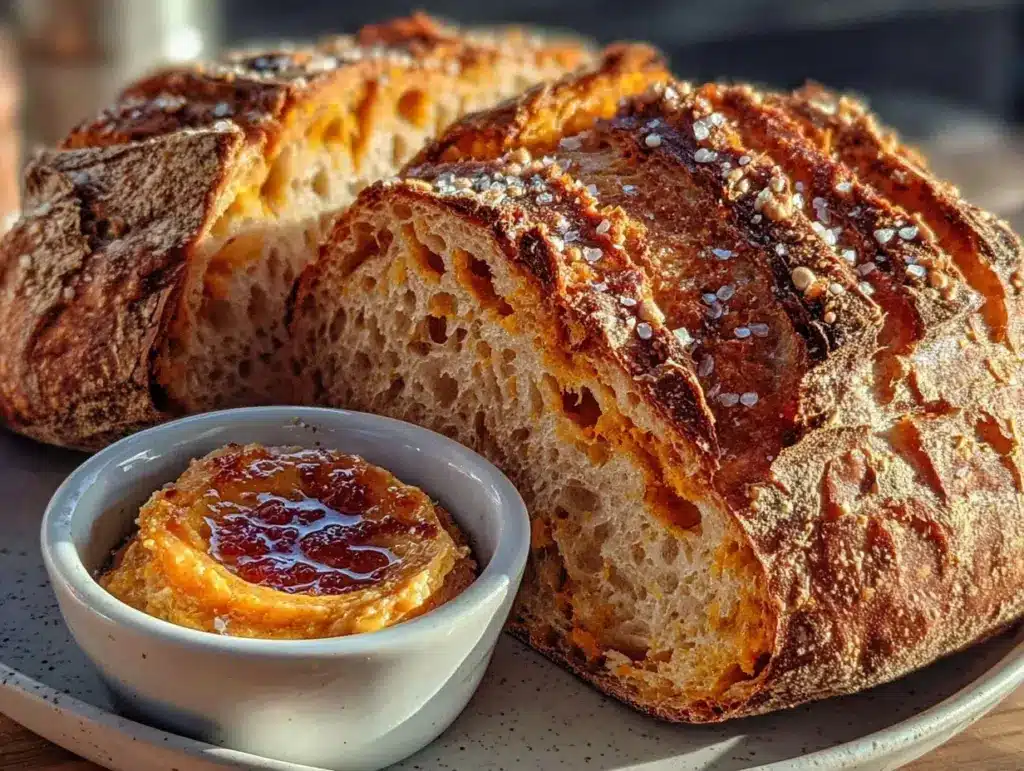
For a while, I just accepted that pumpkin bread made with sourdough wouldn’t have that cozy, comforting warmth I craved during chilly afternoons. You know, the kind that pulls you in with the scent of cinnamon and nutmeg, the crumb soft but with just enough tang to remind you it’s not your typical sweet loaf. It wasn’t that I didn’t try—countless loaves came out either too dense or bland, missing that subtle balance between pumpkin’s earthiness and sourdough’s signature bite.
One late autumn afternoon, with a faint chill in the air and the leaves crunching underfoot, I found myself stirring browned butter infused with cinnamon, the aroma filling the kitchen in a way that felt like a gentle hug. It dawned on me that this simple addition might be what the pumpkin sourdough bread was missing all along. The butter’s nuttiness with cinnamon’s warmth promised a depth I hadn’t quite put my finger on before.
It’s not a flashy story of instant success—more like a quiet moment of figuring out how to marry familiar ingredients in a way that made sense. This Cozy Pumpkin Sourdough Bread with Cinnamon Brown Butter stuck around because it feels like a small, satisfying ritual. Pulling a slice from the loaf, brushing it with that cinnamon butter melting slowly on top, it’s the kind of thing that makes you pause and just appreciate the simple, homely pleasures. That subtle tang from the sourdough, the gentle sweetness from pumpkin, and the warm spice come together without shouting. It’s a loaf you trust to be just right, every time.
Why You’ll Love This Recipe
This cozy pumpkin sourdough bread recipe with cinnamon brown butter is one of those rare treats that feels both special and effortless. After testing countless versions, here’s why it stands out:
- Quick & Easy: Even with sourdough’s reputation for fussiness, this bread comes together with a straightforward method that fits into a weekend baking session without stress.
- Simple Ingredients: No need for exotic spices or hard-to-find pumpkin—just your trusty sourdough starter, canned pumpkin puree, and pantry staples you probably already have.
- Perfect for Fall Mornings & Cozy Afternoons: Whether it’s a slow weekend breakfast or a snug afternoon snack with tea, this bread brings that seasonal comfort you want.
- Crowd-Pleaser: Friends and family always ask for seconds, and it’s a hit even with those who usually shy away from “sourdough” because it’s not sour in a sharp way.
- Unbelievably Delicious: The brown butter cinnamon glaze adds a gentle richness and warming spice that’s honestly addictive—like a secret ingredient that makes this pumpkin bread feel next-level.
What sets this recipe apart is how the cinnamon brown butter isn’t just a topping but a flavor note woven through the bread’s crumbiness. It’s not overly sweet or heavy—more like comfort food that’s been thoughtfully reimagined. This bread is the kind that makes you close your eyes after the first bite and just savor the moment.
Also, if you love baking with sourdough, you might enjoy the balance this recipe offers, much like the texture I admire in my classic banana bread with chocolate chips, where softness meets subtle tang. It’s a cozy, approachable loaf that feels like a small indulgence without any guilt.
What Ingredients You Will Need
This recipe uses simple, wholesome ingredients to deliver bold flavor and a satisfying texture without the fuss. Most are pantry staples, with a few seasonal touches to capture that pumpkin spice vibe.
- For the Bread:
- Active sourdough starter (about 100g / 3.5 oz, fed and bubbly)
- All-purpose flour (350g / 2 ¾ cups) – I recommend King Arthur for consistent results
- Whole wheat flour (50g / ⅓ cup) – adds a bit of nuttiness and structure
- Pumpkin puree (200g / ¾ cup) – canned works fine; avoid pumpkin pie filling with spices
- Brown sugar (50g / ¼ cup packed) – for subtle sweetness
- Warm water (150ml / ⅔ cup) – around 80°F / 27°C to encourage fermentation
- Ground cinnamon (1 ½ tsp) – the warmth backbone of this loaf
- Ground nutmeg (½ tsp) – a little goes a long way
- Salt (1 ½ tsp) – balances flavors perfectly
- Instant yeast (optional, ¼ tsp) – helps with rise if your starter is slow
- For the Cinnamon Brown Butter Glaze:
- Unsalted butter (60g / 4 tbsp)
- Ground cinnamon (1 tsp) – fresh ground if you can
- Powdered sugar (30g / 2 tbsp) – to add a gentle sweetness and smooth texture
- Vanilla extract (½ tsp) – for depth
If you want a gluten-free option, swapping the all-purpose flour for a blend with almond or oat flour can work, though the crumb will be a bit different. For dairy-free, use coconut oil in place of butter for the glaze, which still lends a lovely richness.
Equipment Needed
- Large mixing bowl – I prefer glass or ceramic for easy cleanup
- Dutch oven or heavy oven-safe pot with lid – essential for getting that perfect crust on sourdough
- Kitchen scale – to weigh ingredients accurately (especially important for sourdough)
- Dough scraper or bench knife – handy for folding and shaping the dough
- Clean kitchen towel or proofing basket (banneton) – for the final rise to keep shape
- Small saucepan – to brown the butter and make the cinnamon glaze
If you don’t have a Dutch oven, a heavy cast-iron skillet with a large heatproof bowl as a lid can substitute, though the crust might differ slightly. I’ve found that using a proofing basket keeps the loaf’s shape neater, but a bowl lined with a well-floured kitchen towel works just fine.
Preparation Method
- Feed Your Starter: Start with about 100g (3.5 oz) of active sourdough starter, bubbly and at its peak. This will give your loaf the right rise and flavor. (10 minutes)
- Mix the Dough: In a large bowl, combine 350g all-purpose flour and 50g whole wheat flour with 1 ½ tsp cinnamon, ½ tsp nutmeg, and 1 ½ tsp salt. Stir in the 200g pumpkin puree, 50g brown sugar, and 150ml warm water. Add the starter and mix until a shaggy dough forms. If using, sprinkle ¼ tsp instant yeast for a boost. (15 minutes)
- Autolyse and Rest: Cover the bowl with a damp towel and let the dough rest for 45 minutes. This step helps hydrate the flour and kickstarts gluten development.
- Stretch and Fold: Every 30 minutes for the next 2 hours, perform a series of stretch and folds directly in the bowl. To do this, reach under the dough, stretch it upward gently, and fold it over itself. This builds strength without kneading. (10 minutes total)
- Bulk Fermentation: Let the dough ferment at room temperature until it has roughly doubled in size and feels airy. This can take 3-5 hours depending on your kitchen’s warmth.
- Shape the Loaf: Turn the dough gently onto a floured surface. Shape it into a round boule by folding edges into the center, then flip it seam-side down. Place it into a floured proofing basket or bowl lined with a floured towel. (10 minutes)
- Final Proof: Cover and let rise for another 1-2 hours, or refrigerate overnight for a slow ferment that deepens the flavor.
- Preheat Oven: Place your Dutch oven with the lid on into the oven and preheat to 450°F (230°C) for at least 30 minutes.
- Bake the Bread: Carefully transfer the dough onto parchment paper, score the top with a sharp knife or razor blade to allow expansion, and place it into the hot Dutch oven. Cover with the lid and bake for 25 minutes. Remove the lid and bake for another 15-20 minutes until the crust is deeply golden and crisp. (45 minutes total)
- Make the Cinnamon Brown Butter Glaze: While the bread bakes, melt 60g unsalted butter in a small saucepan over medium heat. Let it cook until it turns golden brown and smells nutty (about 3-5 minutes). Remove from heat and stir in 1 tsp cinnamon, 30g powdered sugar, and ½ tsp vanilla extract until smooth.
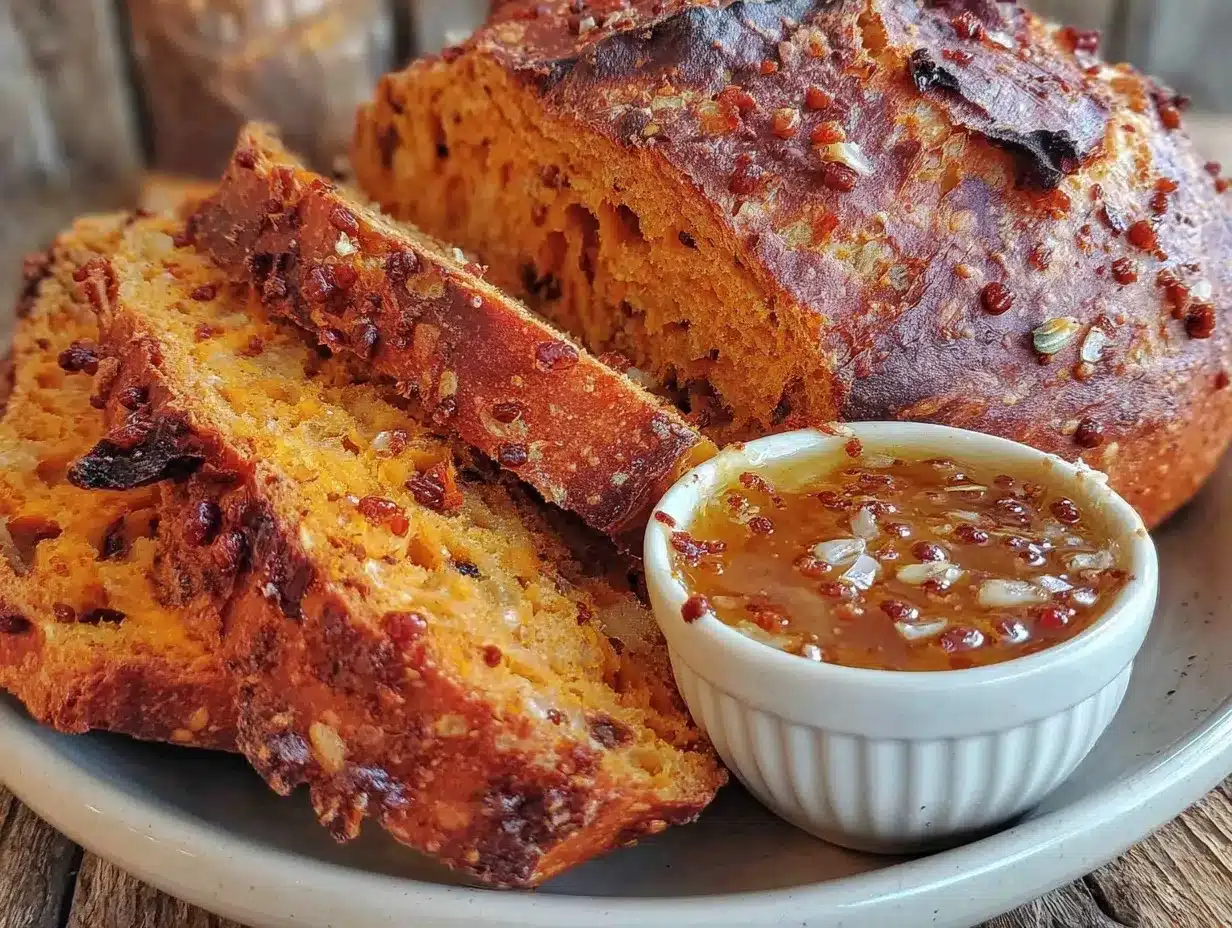
- Glaze and Cool: Once the bread is out of the oven, brush the warm loaf generously with the cinnamon brown butter glaze. Let cool on a wire rack for at least an hour before slicing to allow the crumb to set properly.
Pro tip: If your dough feels sticky during shaping, dust your hands lightly with flour but avoid too much, which can dry out the crumb. The loaf should feel springy and light when ready to bake. When scoring, a swift motion helps avoid dragging the dough. And patience is key—the wait during proofing always pays off.
Cooking Tips & Techniques
Making this pumpkin sourdough bread with cinnamon brown butter glaze is straightforward once you get the hang of a few little things:
- Starter Strength: A lively starter is crucial. If yours is sluggish, feed it a day ahead and keep it warm. Adding a pinch of instant yeast can save the day but keep it minimal to preserve sourdough flavor.
- Brown Butter Cues: Watch the butter carefully—once it foams and you see tiny brown specks on the bottom, it’s perfect. Don’t walk away; it can burn fast. The aroma is your best guide.
- Don’t Rush Proofing: You can tell your dough is ready when it’s roughly doubled and springs back slowly when poked. Too little rising means dense bread; too much and it might collapse.
- Score Deeply: A shallow score leads to less dramatic oven spring. Aim for about ¼ inch (6mm) deep and a confident slash.
- Multitasking: While your dough proofs, browning the butter and prepping your pans keeps the process flowing smoothly. It’s a nice way to stay connected to each stage.
Once, I baked a loaf and forgot to score it. The result? A dense top that cracked unpredictably. Since then, scoring has become a non-negotiable step—not just for looks but for texture. Also, brushing on the cinnamon brown butter right out of the oven locks in moisture and adds that irresistible aroma that fills the kitchen.
Variations & Adaptations
Feeling like switching things up? Here are some ways I’ve played around with this recipe:
- Nutty Pumpkin Spice: Toss in ½ cup chopped toasted pecans or walnuts right before shaping for an extra crunch and autumn vibe.
- Vegan Version: Use a flaxseed “egg” (1 tbsp ground flaxseed + 3 tbsp water) instead of eggs if your starter calls for it, and swap butter for coconut oil or vegan margarine in the glaze. It’s surprisingly good!
- Spiced Up: Add a pinch of ground cloves or ginger to the dough for a deeper spice profile, similar to what you’d find in classic pumpkin spice rolls.
- Gluten-Free Twist: Use a gluten-free flour blend suitable for bread baking and add xanthan gum if your mix doesn’t include it. Expect a different crumb but still delicious.
- Slow Cooker Finish: If you don’t have an oven, you can bake the dough in a covered slow cooker on high for about 2 hours, though the crust won’t be as crisp. It’s a neat hack for cozy cooking.
Personally, I once added a swirl of cream cheese and brown sugar before shaping to make a luscious surprise inside—worth trying if you want a richer treat. For a lighter loaf, reduce brown sugar by a tablespoon or two.
Serving & Storage Suggestions
This pumpkin sourdough bread shines best served slightly warm, just after the cinnamon brown butter glaze has set. Toasted slices with a smear of cream cheese or a drizzle of honey make for a dreamy breakfast or afternoon snack.
Pair it with a hot cup of chai tea or a rich latte to make the most of those cozy fall flavors. It’s also lovely alongside savory dishes, like the creamy chicken alfredo pasta I often make for dinner—both offer comforting richness, though in very different ways.
To store, wrap the cooled bread tightly in plastic wrap or a beeswax wrap and keep at room temperature for up to 3 days. For longer storage, slice and freeze in an airtight bag for up to 3 months. Toast frozen slices straight from the freezer for best texture.
Reheating gently in a low oven (about 300°F / 150°C for 10 minutes) refreshes the crust and warms the crumb. Over time, the pumpkin’s moisture seeps in deeper, making the bread even more tender after a day or two—if you can wait that long!
Nutritional Information & Benefits
Each slice of this pumpkin sourdough bread offers about 180-200 calories, depending on thickness and glaze amount. It provides a modest boost of fiber from the whole wheat flour and pumpkin, along with vitamin A and antioxidants from the pumpkin puree.
The sourdough fermentation helps pre-digest the flour, often making it easier on digestion compared to regular bread. Using brown butter rather than heavy frosting keeps the fat content moderate while still packing flavor.
It’s naturally free from artificial additives and can be adapted for gluten-free or dairy-free diets with simple swaps. Just watch for allergens like nuts if you add them in variations.
I appreciate this recipe as a wholesome treat that fits nicely into a balanced diet—comfort food without the guilt.
Conclusion
This cozy pumpkin sourdough bread with cinnamon brown butter is a loaf I come back to season after season. It’s not flashy or complicated, but it offers that quiet joy found in warm spices, tender crumb, and a touch of tang from the starter. You can tweak it to your liking, whether that means adding nuts, going vegan, or dialing up the spices.
For me, this bread is about slowing down just a bit—taking a moment to enjoy something made with care. It’s become a small ritual of comfort that I trust will always hit the spot, whether it’s a brisk fall morning or a lazy weekend brunch. If you’re curious about other cozy, comforting dishes that pair well alongside, you might find the easy one-pan garlic butter chicken with green beans a great savory complement to this pumpkin loaf’s sweetness.
Feel free to share your own takes or questions—I’m always eager to hear how this loaf finds its way into your kitchen and life.
FAQs
How do I know if my sourdough starter is ready for baking this pumpkin bread?
Your starter should be bubbly and have a pleasant, slightly tangy aroma. It typically doubles in size 4-6 hours after feeding. A simple float test (dropping a spoonful in water to see if it floats) helps confirm it’s active.
Can I make this pumpkin sourdough bread without a Dutch oven?
Yes! You can bake it on a preheated baking stone or sheet tray, and adding a pan of water in the oven creates steam for a good crust. The crust might not be as thick or chewy but will still be delicious.
Is canned pumpkin puree okay to use in this recipe?
Absolutely. Just make sure it’s 100% pumpkin puree, not pumpkin pie filling, which contains added spices and sugars that can affect the flavor balance.
How should I store leftover pumpkin sourdough bread?
Wrap it tightly at room temperature for up to 3 days or slice and freeze for longer storage. Toast or warm slices before eating for best texture.
Can I add nuts or seeds to this pumpkin bread?
Yes! Chopped toasted pecans, walnuts, or pumpkin seeds make great additions. Stir them in during the final mixing or sprinkle on top before baking for extra crunch.
Pin This Recipe!
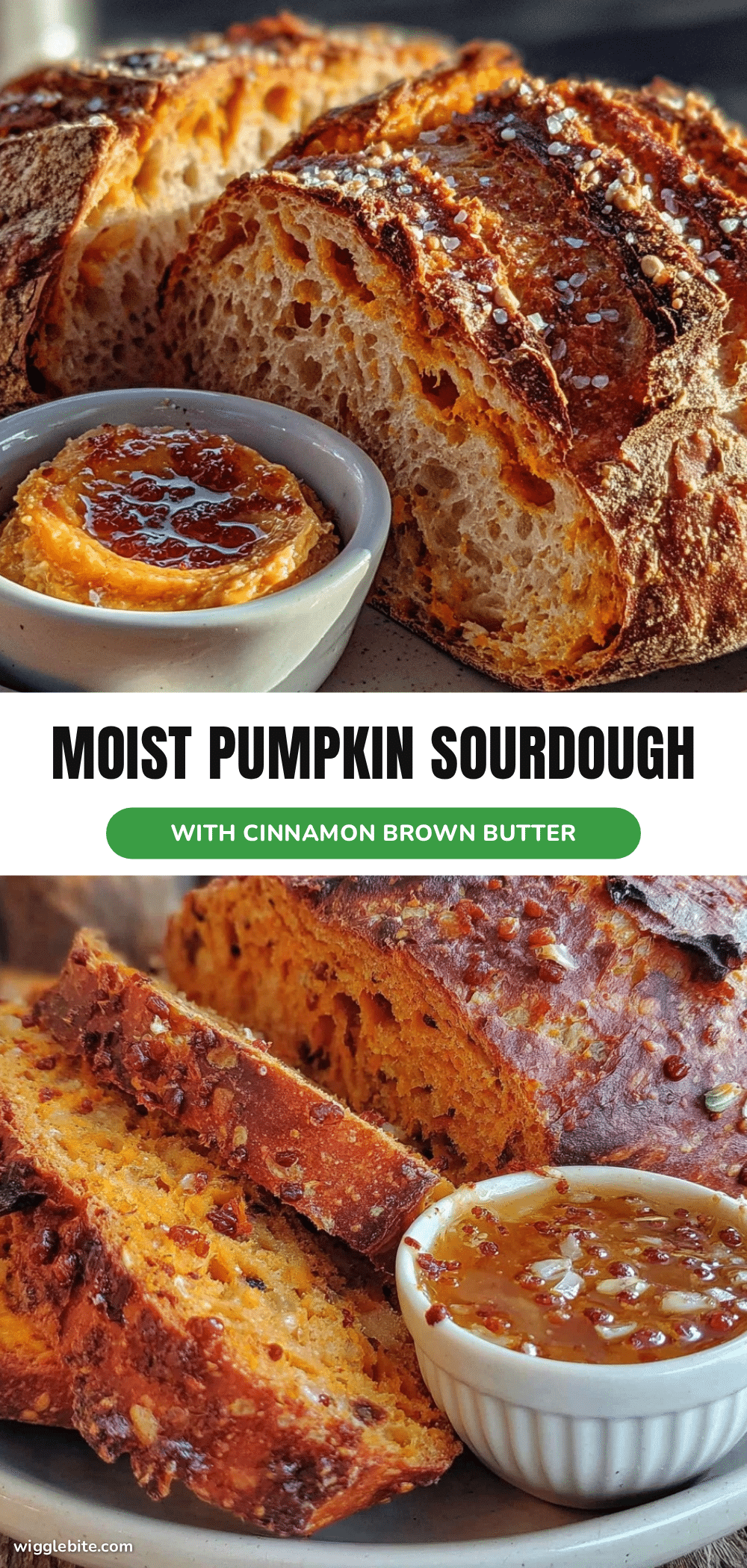
Cozy Pumpkin Sourdough Bread Recipe with Cinnamon Brown Butter Easy and Perfect

A cozy pumpkin sourdough bread with a subtle tang, warm spices, and a cinnamon brown butter glaze that adds a gentle richness. Perfect for fall mornings and cozy afternoons.
- Prep Time: 1 hour 15 minutes
- Cook Time: 45 minutes
- Total Time: 5 to 7 hours (including fermentation and proofing time)
- Yield: 1 loaf (about 10-12 slices) 1x
- Category: Bread
- Cuisine: American
Ingredients
- 100g (3.5 oz) active sourdough starter, fed and bubbly
- 350g (2 ¾ cups) all-purpose flour
- 50g (⅓ cup) whole wheat flour
- 200g (¾ cup) pumpkin puree (canned, not pumpkin pie filling)
- 50g (¼ cup packed) brown sugar
- 150ml (⅔ cup) warm water (around 80°F / 27°C)
- 1 ½ tsp ground cinnamon
- ½ tsp ground nutmeg
- 1 ½ tsp salt
- ¼ tsp instant yeast (optional)
- 60g (4 tbsp) unsalted butter (for glaze)
- 1 tsp ground cinnamon (for glaze)
- 30g (2 tbsp) powdered sugar (for glaze)
- ½ tsp vanilla extract (for glaze)
Instructions
- Feed your starter: Start with about 100g (3.5 oz) of active sourdough starter, bubbly and at its peak. (10 minutes)
- Mix the dough: In a large bowl, combine 350g all-purpose flour and 50g whole wheat flour with 1 ½ tsp cinnamon, ½ tsp nutmeg, and 1 ½ tsp salt. Stir in 200g pumpkin puree, 50g brown sugar, and 150ml warm water. Add the starter and mix until a shaggy dough forms. If using, sprinkle ¼ tsp instant yeast. (15 minutes)
- Autolyse and rest: Cover the bowl with a damp towel and let the dough rest for 45 minutes.
- Stretch and fold: Every 30 minutes for the next 2 hours, perform stretch and folds directly in the bowl. (10 minutes total)
- Bulk fermentation: Let the dough ferment at room temperature until doubled in size and airy, about 3-5 hours.
- Shape the loaf: Turn dough onto a floured surface, shape into a round boule, place seam-side down into a floured proofing basket or bowl lined with a floured towel. (10 minutes)
- Final proof: Cover and let rise for 1-2 hours or refrigerate overnight for slow ferment.
- Preheat oven: Place Dutch oven with lid inside and preheat to 450°F (230°C) for at least 30 minutes.
- Bake the bread: Transfer dough onto parchment paper, score top about ¼ inch deep, place into hot Dutch oven, cover and bake 25 minutes. Remove lid and bake another 15-20 minutes until crust is golden and crisp. (45 minutes total)
- Make cinnamon brown butter glaze: Melt 60g unsalted butter in a small saucepan over medium heat until golden brown and nutty (3-5 minutes). Remove from heat and stir in 1 tsp cinnamon, 30g powdered sugar, and ½ tsp vanilla extract until smooth.
- Glaze and cool: Brush warm bread generously with cinnamon brown butter glaze. Cool on wire rack at least 1 hour before slicing.
Notes
If dough feels sticky during shaping, dust hands lightly with flour but avoid too much to prevent drying the crumb. Score about ¼ inch deep for good oven spring. Use a lively starter; add a pinch of instant yeast if starter is slow. For gluten-free option, substitute flours and add xanthan gum. For dairy-free, use coconut oil instead of butter in glaze. Bread can be baked in a slow cooker on high for 2 hours if no oven is available, but crust will be less crisp.
Nutrition
- Serving Size: 1 slice (about 1/12t
- Calories: 190
- Sugar: 6
- Sodium: 320
- Fat: 7
- Saturated Fat: 4
- Carbohydrates: 28
- Fiber: 3
- Protein: 5
Keywords: pumpkin sourdough bread, cinnamon brown butter, fall bread recipe, cozy bread, sourdough pumpkin bread, autumn baking, easy sourdough bread